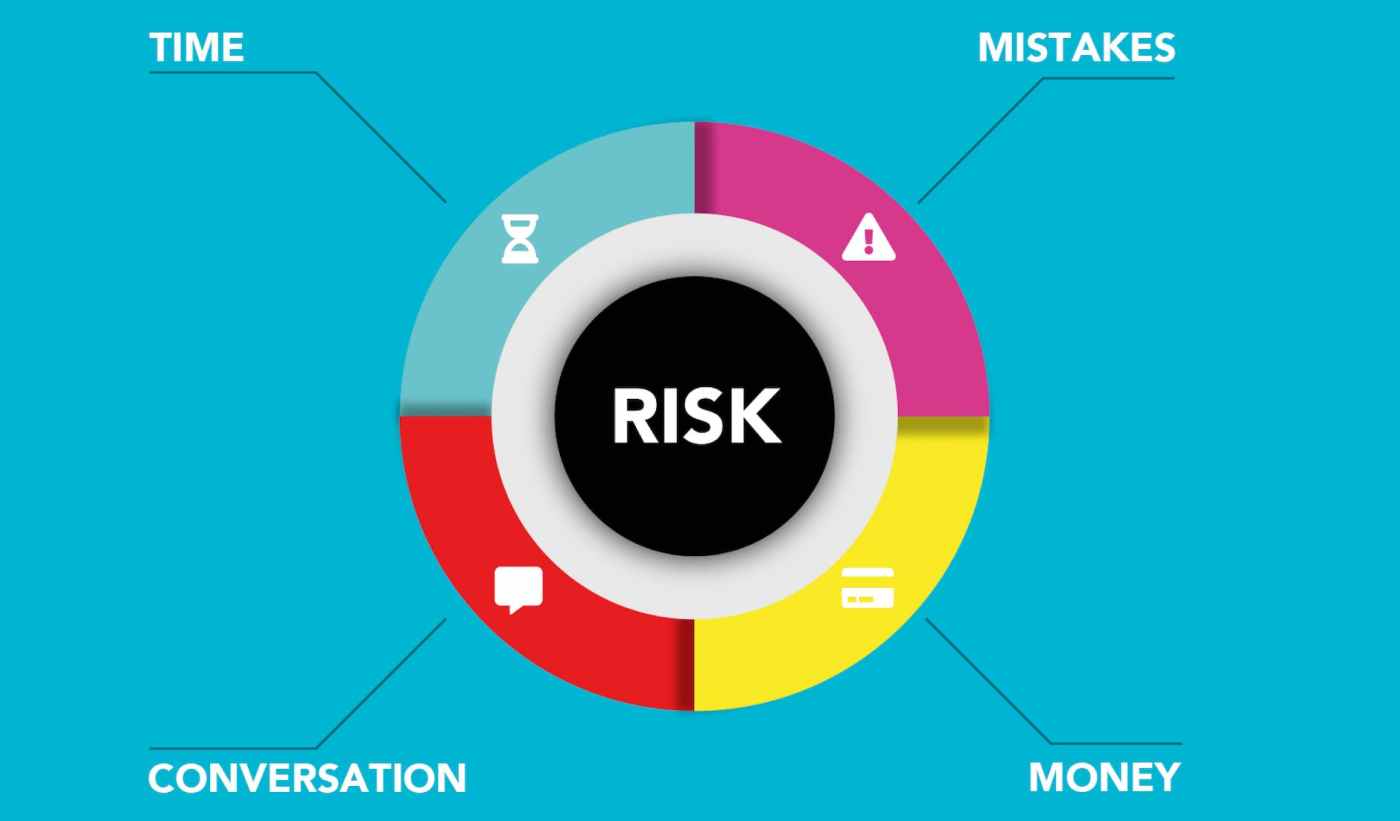
Crisis prevention means spotting risks early and stopping them from turning into disasters. This is achieved by monitoring potential issues, enhancing systems, and mitigating risks. Crisis preparation ensures you can act fast when emergencies happen by having plans, clear communication, and training. This guide covers steps to prevent and prepare for crises.
Table of Contents
- Conducting threat assessments
- Implementing risk mitigation measures
- Creating a crisis management plan
- Choosing organisational leadership
- Communication planning
- Business continuity planning
- Simulation exercises
- Promoting resilience
- FAQs
- Conclusion
Conducting threat assessments
Threat assessments evaluate exposure to potential crises, rating risks based on likelihood and potential impact. Assessments examine hazards like natural disasters and cyber dangers. They also evaluate supply chain weaknesses and product liabilities. Additionally, assessments consider leadership gaps and financial metrics. They check regulatory compliances and competitive forces. Companies should conduct:
Hazard risk audits
Hazard risk audits find risks related to business environments and sectors. For instance, they assess fire risks for restaurants or floods for offshore oil rigs. They scan facilities, compliance reports, and even weather data.
Preparedness audits
Preparedness audits gauge existing crisis prevention barriers and emergency response capacities across plans, leadership, resources, monitoring, and defences. They spotlight preparedness gaps.
Process risk audits
Process risk audits find vulnerabilities buried within systems and operations. They map detailed workflows end-to-end. This helps find single points of failure.
Implementing risk mitigation measures
After uncovering exposures, organisations can erect extra preventative barriers:
- Installing fire suppression systems
- Backing up data offsite
- Screening supply chains
- Adding cyber-intrusion sensors
- Auditing financial statements
- Training leaders on ethics and security
- Establishing tip lines for internal misconduct
While no single solution eliminates all crises, rounds of iterative risk assessments and control adoption mitigate likelihoods.
Creating a crisis management plan
Beyond prevention, comprehensive crisis management plans outline coordinated actions across four stages:
1. Pre-Crisis: Preventative protocols to avert disasters
2. Acute Crisis: Immediate response to limit damage when crisis strikes
3. Chronic Crisis: Sustained operations supporting recovery lasting days to months
4. Resolution: Restoring normal functions while integrating lessons learned
Well-constructed plans assign responsibilities. They detail communications workflows and document site evacuation protocols. These plans create emergency funding access and outline regulatory requirements. They also train leaders on executing response procedures. Plans should handle worst-case scenarios through contingency planning because even robust prevention measures fail occasionally.
Choosing organisational leadership
Crisis leadership proves vital when limitless decisions arise amid chaos, time pressure, fatigue, and uncertainty. Leaders must quickly foresee cascading impacts. They need to communicate action plans and motivate teams under duress. Managing operational recovery across simultaneous fronts poses no easy feat, even for experienced veterans. Selection criteria include:
Operational expertise
Field experts grasp the complex dynamics required for balancing crisis responses like evacuations while safely maintaining critical operations. Politicians flounder here.
Stakeholder savvy
Politically savvy leaders effectively negotiate urgent needs with parties like employees, the media, investors, and government agencies during turmoil.
Adaptability under duress
Fixating on standard procedures as scenarios shift often worsens disasters. Change-adept leaders respond decisively yet flexibly to evolving challenges.
Communication planning
Crisis management hinges on frequent, transparent communication across stakeholders, from employees to customers and regulators. Plans assign official spokespeople and authorise data access levels. They specify channels for types of announcements. They standardise message templates to accelerate journalism and detail protocols preventing misinformation.
Today’s hyperconnected world, with its digital and social channels, requires more humanized communications. We need empathy and accessibility instead of stilted, formalised statements.
Business continuity planning
Crisis teams minimise disruptions by clearly stipulating essential functions and personnel. They state immediate funding needs if banks close and outline backup infrastructure. They also define redundancies, priority suppliers, and clients. Contingency protocols are included within business continuity plans to support incremental resumptions while managing displacements.
Leaders should run a loss scenario analysis to stress test limits. They should also plan continuity management if primary work sites endure extended outages. This is also necessary if market collapses occur.
Simulation exercises
Simulations allow organisations to repeatedly practise responses within plausible but contained environments, modelling everything from cyber attacks to supply shortages. Exercises build muscle memory for crisis decision-making, expose extra unseen threats, clarify roles, and find resource gaps. Participants also gain confidence by sharpening competencies in leadership, adaptability, communication, and team dynamics—transferable skills useful in any emergency.
After each test, extensive debriefs fuel continual enhancements integrated back into core prevention barriers and crisis management protocols. But, simulations only gain from regular refreshers as personnel and systems evolve.
Promoting resilience
Technical controls and structured plans give the foundations for crisis management, but a cohesive organisational culture cements preparedness. A shared purpose and trust fabrics bind people together. They are fostered through transparency, camaraderie, and servant leadership. These elements serve as reservoirs of goodwill and psychological safety to withstand challenges.
Teams bonded through respect and compassion show greater dedication during trials and recover more quickly. Resilient cultures also encourage admitting weaknesses and learning from failures rather than penalisation, a requisite for growth.
FAQs
Q1. What crisis planning steps do smaller businesses often overlook?
Sole proprietors often underestimate theft, cyber, or supply chain risks. Lacking resources for exhaustive plans, they should at least secure customer data, valuables, and cash flow.
Q2. Why don’t most people prepare adequately for crises?
Human nature displays overconfidence and avoidance when confronting disturbing potential calamities. People underestimate the likelihood while overestimating their responsive abilities if disasters occur. Nonetheless, engagement increases through positive reinforcement and peer modelling, not scare tactics.
Q3. How often should organisations review and update crisis protocols?
Annually, at least. Quarterly proves better for global firms. Any leadership change, new market entry, or merger also necessitates revisions to guarantee continuity and integration.
Q4. What should crisis managers avoid when leading response efforts?
Common pitfalls include refusing help. Crisis managers micromanage rather than give objectives. They delay communications while waiting for perfect plans. Instead of welcoming creative solutions amid fluidity, they regress into rigid thinking.
Q5. Which metrics show crisis preparedness levels?
Key performance indicators range from employee safety drill pass rates to systems redundancy audit scores. They also include executive training completions and insured valuation coverage percentages. Tabletop exercise performance benchmarks are included as well.
Conclusion
With dedication and accountability, organisations can develop advanced crisis prevention protections. They can build response competencies through proactive investments. This must happen before emergencies strike. Consider crisis readiness not as a recurring expense but rather as enterprise insurance. Robust preparation provides the best path to resuming operations and restoring stakeholder faith when unforeseen events threaten business survival.
Discover more from nom@d learning
Subscribe to get the latest posts sent to your email.
 nom@d learning
Leave a comment