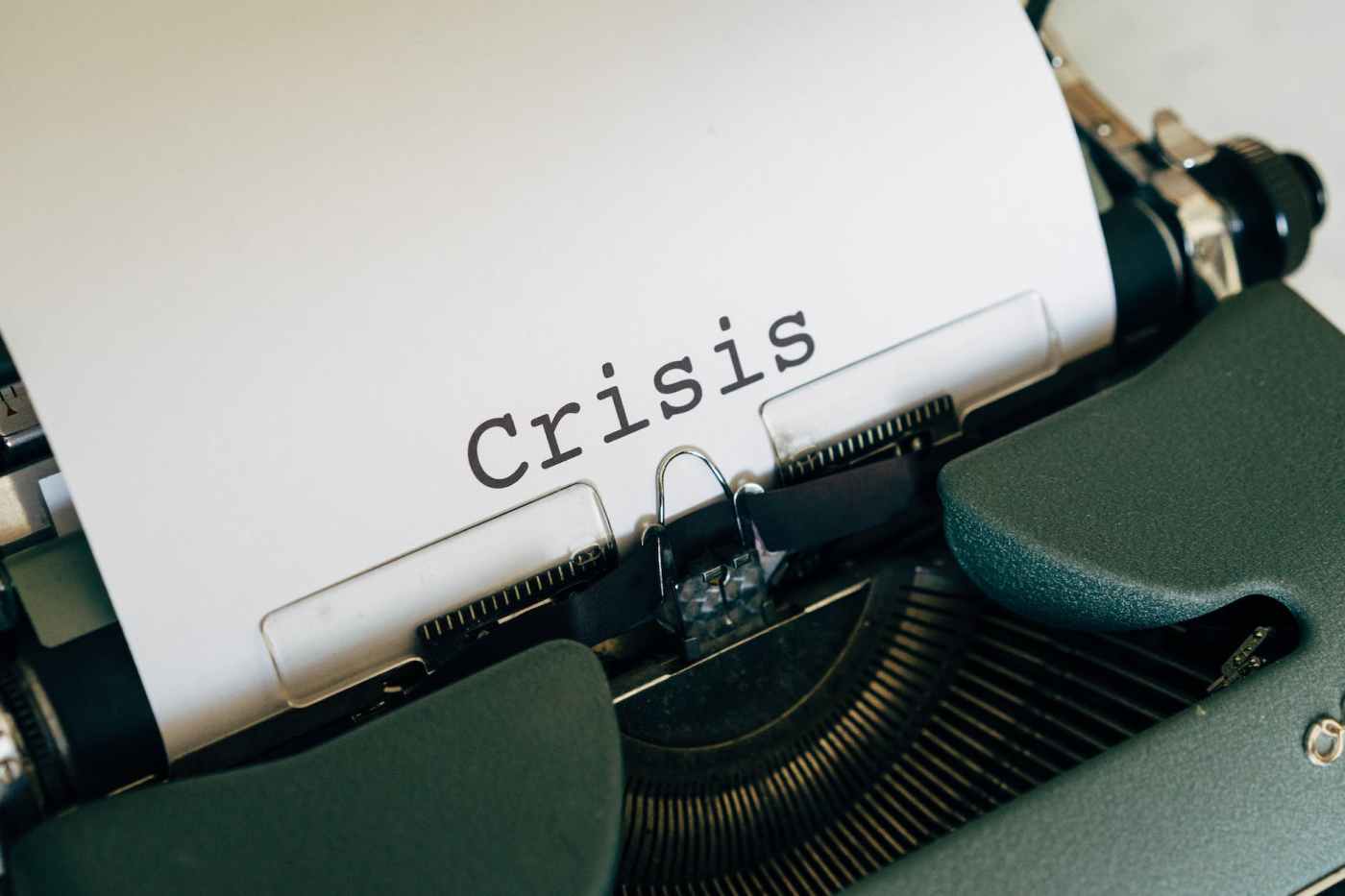
Businesses face an array of potential crises that can damage operations, finances, and reputation. While each crisis brings unique challenges, most fall into several major categories. This blog post examines the various types of business crises and provides examples of scenarios companies aim to avoid. Proper preparation builds resilience across the spectrum of business threats.
Table of Contents
- Natural disasters
- Public health crises
- Financial shocks
- Geopolitical upheaval
- Cyber attacks and data breaches
- Leadership scandals
- Product defects and recalls
- Workplace violence and crises
- Bankruptcy
- FAQs
- Conclusion
Natural disasters
Natural disasters like floods, storms, fires, and earthquakes stay among the most frequent business disruptors. In recent years, major hurricanes have devastated parts of the southern US. Wildfires have burned across California. There has been flooding in Europe and Asia. Such catastrophes endanger employee safety, destroy physical assets, and interrupt critical utilities and infrastructure. For example:
- Hurricane Maria forced many of Puerto Rico’s businesses to close for months in 2017
- The 2011 Bangkok floods halted work at over 1400 factories in Thailand
- Wildfires routinely menace California’s renowned wine country, risking billions in agriculture and tourism revenue
Public health crises
The COVID-19 pandemic led to widespread layoffs. It resulted in the largest GDP decline since 1946. This served as an example of how public health emergencies also cause havoc. Epidemics not only threaten lives; they also upend trade, tourism, and consumer habits. Medical crises also provoke governmental restrictions that throttle operations. For instance:
- Ebola scares curtailed travel bookings across Africa from 2013 onward
- Multiple foodborne illness outbreaks, like E. coli, have bankrupted produce and restaurant brands
- Workplaces everywhere adopted sweeping new protocols in response to COVID-19
Financial shocks
Major financial disruptions reverberate into the real economy as once robust companies topple into insolvency. Stock market routs occurred in 1929’s Black Tuesday crash. Another major event was the 2008 housing bubble collapse. These events sank even titans like GM and Lehman Brothers. Some factors, for example:
- Market bubbles inflating asset valuations far beyond intrinsics
- Cascading bank failures and cratering loans and credit are essential for business functions
- Extreme inflation or currency devaluations torpedoing consumer purchasing power
Geopolitical upheaval
Geopolitical instability like regime changes, wars, terrorist attacks, and unrest often creates commercial headwinds. These range from regional skills gaps to global supply chain paralysis. Political chaos disrupts all facets of trade and erodes investor confidence. Consider how:
- Arab Spring demonstrations across 2010-2012 upended Middle East contracts
- Ongoing tensions between Western powers and Russia shake energy deals and european tourism
- Military coups still periodically overturn African government partners
Cyber attacks and data breaches
Despite technological safeguards, cybersecurity incidents happen regularly, often traceable to human error. Malware, phishing scams, and hacking endanger commercial data assets and critical IT infrastructure. High profile attacks include:
- The 2017 WannaCry virus which locked over 200,000 victims out of their systems until paying hefty ransoms
- Mass retailer breaches like 2013’s Target loss of 110 million customer payment card details
- Even tech giants like Microsoft, Facebook, and Uber fail to repel all attacks
Leadership scandals
When prominent executives engage in unethical, illegal, or controversial activities, they cause leadership scandals. These scandals damage employee morale, harm the company reputation, and erode public trust. For example:
- Reports of workplace harassment at firms like Uber, Google, and several major banks recently sparked internal uproar
- High-profile CEOs like WeWork’s Adam Neumann and Theranos’ Elizabeth Holmes exited amid allegations of fraud and deception
- Tesla’s Elon Musk paid SEC fines after a quickly scuttled proposal to take Tesla private
In all cases, the media spotlight and legal investigations accompanying leadership scandals introduce uncertainty and distraction.
Product defects and recalls
Despite rigorous quality control protocols, complex modern products sometimes manifest dangerous defects. Faulty products prompt immediate safety recalls. They demand tremendous coordination spanning supply chain tracing and distribution channel notification. These activities include reimbursements and refunds. Additionally, public statement releases occur across traditional and social media. For example:
- Toy companies like Mattel routinely issue major recalls to avoid reputational or legal nightmares from unsafe toys
- Automakers announce billion-dollar recalls regularly, like 2016’s Takata airbag scandal, which hit over 42 million cars
- Food and drug recalls, ranging from contaminated lettuce to defective medical devices, constantly endanger consumer safety
Workplace violence and crises
While rare, workplace violence involving current or former disgruntled employees intensifies quickly. Warning signs often materialise before active shooter events. These events need emergency action plans. The plans protect staff through site lockdowns, evacuations, and coordination with law enforcement response. HR also manages the aftermath, like counselling services.
Bankruptcy
As a final resort, declaring bankruptcy attempts to salvage what remains of a business struggling with insurmountable debts. Liquidations under Chapter 7 and restructuring plans under Chapter 11 laws come with legal expenses. They also result in strained relationships with former creditors, vendors, and customers.
Recovering from any major business crisis requires resilience and adaptation. But most companies endure events ranging from relatively minor product defects to catastrophic natural disasters during their lifespan. Understanding exposure across crisis categories allows executives to develop robust emergency response plans to guarantee longevity.
FAQs
Q1. What are the warning signs of an impending business crisis?
Early indicators include cash flow problems. There are regulatory probes or lawsuit threats. Supply hiccups and leadership transitions are also possible. Employee discontent arises. Cyber red flags like hacking attempts and social media negativity are also warning signs, etc.
Q2. What insurance policies help hedge different business crisis risks?
Common coverages include property insurance, casualty or liability protection, and business interruption policies. They also include product recall insurance, cyber insurance, and speciality lines for disasters. Additionally, key person policies and directors & officers (D&O) insurance shield management decision-making during crises.
Q3. How should business leaders communicate during a crisis?
Leaders should often communicate with transparency, honesty, and compassion, both internally with employees and externally with media outlets. This halts misinformation and focuses stakeholders.
Q4. How does crisis preparedness differ across industries?
High-reliability organisations (HROs) running systems like dams and power grids need the most rigorous emergency response training. Manufacturers prioritise supply continuity planning and product risk analysis. Information security deserves greater attention among data-driven companies. Crisis planning scales appropriately across sectors based on an assessment of vulnerabilities.
Q5. What aspects of normal business operations often get sacrificed during major crises?
To manage bandwidth, companies typically pause non-essential marketing campaigns. They also delay new product launches, expansion goals, and discretionary projects. These measures allow them to tackle immediate survival threats until achieving stabilisation.
Conclusion
Crises run the gamut from mild reputational setbacks to existential disasters for enterprises. Business leaders must continually assess risks and then implement continuity planning, emergency response protocols, insurance safeguards, and operational enhancements. Balancing vigilance with pragmatism around crisis preparation while avoiding paralysis remains key for organisational resilience.
Discover more from nom@d learning
Subscribe to get the latest posts sent to your email.
 nom@d learning
Leave a comment