
Trust your feelings…
Disclaimer: This is a true story, however peoples’ names have been changed to protect their identities.
I never thought I would be getting into a fist fight at my company holiday party!
As the drinks started flowing, I could feel tension rising between Tom and Michael from accounting.
Their usual friendly ribbing was starting to turn aggressive.
I noticed Tom’s face growing red and the veins popping in his neck.
Michael’s smirk seemed more like a sneer.
Their jokes felt increasingly like needling rather than banter.
Normally, I might have ignored such micro-aggressions and escalating behaviours, but something felt off.
As their voices grew louder, I started having a bad feeling in my gut.
It was as if I could taste the confrontation in the air.
Being able to recognise emotions, both in myself and others, has helped me de-escalate potential conflicts countless times at work.
That night, trusting my instincts paid off.
I stepped in between, just as Tom took a swing at Michael.
Managing My Own Emotions
Cooling things down was not easy with alcohol adding fuel to the fire.
I had to stay calm myself, despite the testosterone fuelled tension.
Taking a few deep breaths, I spoke to each man in a low, calm tone.
Rather than making accusations, I empathised with where they both were coming from.
Once they saw that I understood their frustrations without judgement, they began to defuse.
Gradually, their body language relaxed as we had a respectful discussion about underlying issues.
Thanks to self-awareness and self-control, I avoided escalating the fight further.
Managing my own emotions under pressure helped me de-escalate a volatile situation before it turned ugly.
My self-regulation created space for resolution, rather than revenge.
The Power of Emotional Intelligence
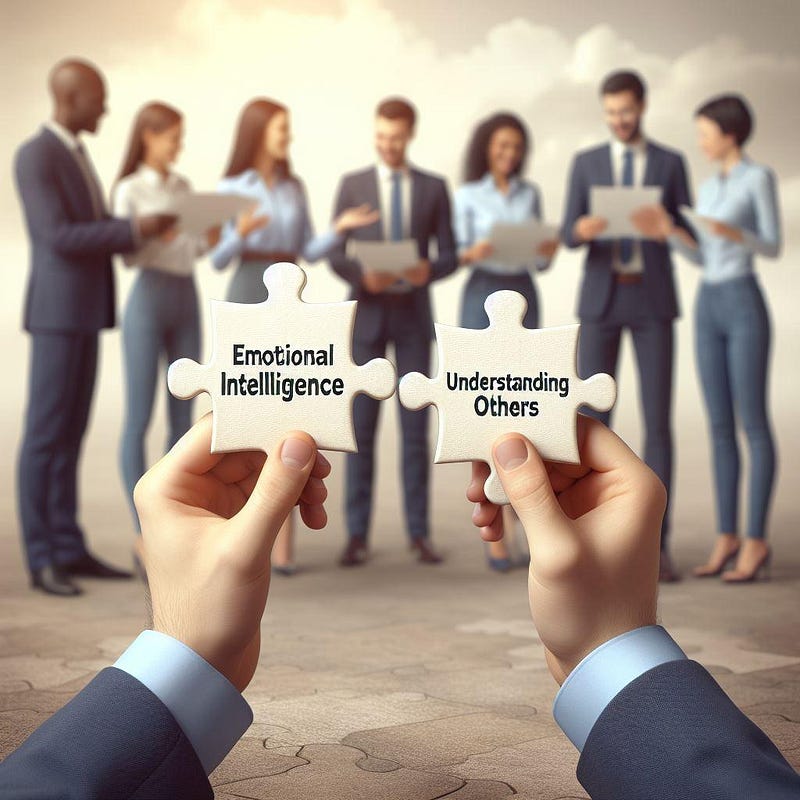
This experience really drove home for me the importance of emotional intelligence (EQ) in the workplace.
Both personal competence and social skills played a big role in keeping the peace that night.
By paying close attention to facial expressions and tone of voice, I picked up on signals others missed.
This empathy allowed me to see perspectives beyond surface anger and defuse tensions.
Rather than reacting to raised voices with more heat, I responded with patience, understanding, and solution-oriented thinking.
My ability to stay composed under pressure helped open communication where confrontation might have closed it.
As a leader, high EQ means fewer blind spots and creating a positive work culture.
It strengthens my ability to truly connect with people, navigate difficult conversations, and foster cooperation instead of conflict.
That’s why emotional intelligence is a priceless asset in any career.
Building Self-Awareness
To build my own EQ, I’ve found keeping a personal journal extremely helpful.
Taking just 10 minutes before bed to reflect on my emotions, behaviours, and interactions from the day has yielded huge insights.
Over time, patterns emerge that weren’t obvious in the moment.
Keeping track of emotional triggers, habitual responses, and how I show up for others gives me a bird’s-eye view of areas I can improve.
For example, noticing I tend to get defensive when criticised showed me to actively listen without judgement.
Going forward
Making observations helps me gain a more well-rounded understanding of myself, including my strengths and weaknesses.
With self-awareness comes the power to consciously adjust behaviours.
Taking responsibility for my emotional impact on others strengthens all my relationships.
Empathising with Others
An area I’ve focused on is empathy—seeing things from another’s perspective.
When a co-worker comes to me frustrated, I now ask open-ended questions to grasp the full context before advising.
Truly listening with compassion helps satisfy emotional needs as much as solving logistical problems.
Getting curious about what’s beneath surface frustrations has created deeper connections at work.
Little acts of empathy, like bringing coffee to a stressed co-worker or sending a quick “thinking of you” text, go a long way.
Taking a genuine interest builds trust that smooths over conflicts down the road.
On the flip side, I’ve realised some of my humour came at others’ expense without realising it.
Asking for candid feedback highlighted blind spots to improve.
Overall, checking assumptions and understanding other viewpoints strengthens my interpersonal skills tremendously.
With practise, empathy is a powerful tool for fostering cooperation, collaboration, and a positive company culture.
It creates goodwill that carries teams through stressful times.
That’s why developing emotional intelligence should be a priority for any leader.
In Summary
- Emotional intelligence allows recognising feelings in oneself and others
- Self-awareness through journaling builds understanding of triggers and patterns
- Self-regulation helps stay calm under pressure for better decision making
- Empathy involves listening with compassion to understand different perspectives
- Social skills like conflict resolution are strengthened through emotional competence
- EQ creates fewer blind spots and leads to stronger connections at work
In the end, developing emotional intelligence is an ongoing journey worth taking.
It cultivates the soft skills needed to effectively lead teams through both good and challenging times.
When we truly understand ourselves and each other, amazing things can be accomplished.
Thanks for reading…
If you enjoyed reading my story, please highlight any parts you think other readers would find interesting.
Don’t forget to leave your comments about what you thought of this story.
Consider following me here on Medium and subscribing to my stories.
Discover more from nom@d learning
Subscribe to get the latest posts sent to your email.
 nom@d learning
Leave a comment