The ultimate guide to building trust, communication, and high performance with distributed teams
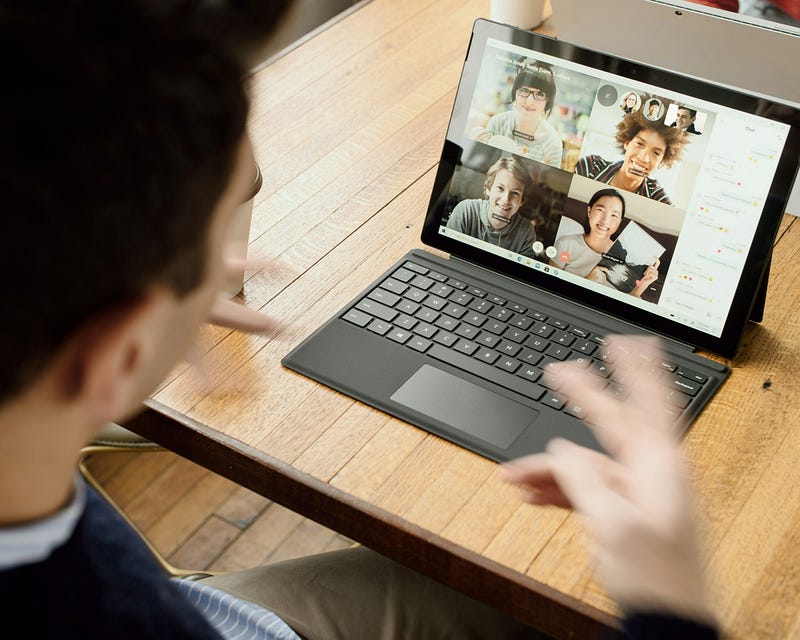
Hey there, fellow professionals!
Have you found yourself suddenly thrust into the exciting (yet daunting) world of managing a remote team?
Don’t worry, you’re not alone. With the rise of flexible work arrangements, an increasing number of companies are embracing the remote workforce model.
And let me tell you, it’s a game-changer!
But as liberating as it may seem to ditch the conventional office setting, managing a team that’s scattered across different time zones and locations comes with its own set of unique challenges.
That’s where this guide comes in—we’re going to dive deep into the best practises for keeping your remote crew aligned, productive, and (most importantly) happy.
So, grab a cosy spot, maybe a cup of your favourite brew, and let’s get started!
Communication is Key (But You Already Knew That)
Effective communication is the backbone of any successful team, and when you’re dealing with a remote setup, it becomes even more crucial.
Without those casual watercooler chats or spontaneous desk-side conversations, you need to be intentional about how you communicate with your team.
Here are some tips to keep the lines of communication wide open:
- Embrace video calls: Sure, text-based communication is convenient, but there’s something about seeing those friendly faces that just makes everything feel more personal and engaging. Video calls allow you to pick up on crucial non-verbal cues and foster a sense of connection within your team.
- Establish clear channels: Decide on a primary communication platform (e.g., Slack, Microsoft Teams, or good old email) and stick to it. Having too many scattered channels can lead to confusion and missed messages.
- Set expectations: Be transparent about your availability and response times. If you’re going to be offline for a few hours, let your team know. Likewise, communicate your expectations for their responsiveness and availability.
- Over-communicate: When working remotely, it’s better to err on the side of over-communication. Provide regular updates, clarify doubts, and encourage open discussions to ensure everyone is on the same page.
Remember, communication is a two-way street.
Encourage your team members to speak up, ask questions, and share their thoughts and ideas.
A collaborative environment is essential for remote team success.
Trust is a Must
Managing a remote team requires a significant amount of trust.
You can’t constantly monitor your team members or micromanage their every move.
That’s not only impractical but also detrimental to their productivity and morale.
Instead, focus on building trust by:
- Setting clear goals and expectations: Outline specific, measurable goals and deliverables for your team members. This gives them a clear understanding of what’s expected and allows them to manage their own time and priorities.
- Empowering autonomy: Give your team the freedom to work in a way that suits them best. As long as they’re meeting their goals and deadlines, resist the temptation to dictate how they should work.
- Providing feedback and support: Regular check-ins and constructive feedback help build trust and ensure everyone is on track. But don’t forget to celebrate wins and offer support when needed.
- Leading by example: As the team leader, it’s essential to embody the values you want to instil in your team. Be reliable, transparent, and accountable for your own actions.
Trust is a two-way street.
As you extend trust to your team members, they’ll reciprocate by taking ownership of their work and delivering their best.
Fostering a Sense of Community
One of the biggest challenges of remote work is the potential for team members to feel isolated and disconnected.
As a manager, it’s your responsibility to foster a strong sense of community and belonging within your team.
Here are some ways to achieve that:
- Virtual team-building activities: Just because you’re not in the same physical space doesn’t mean you can’t have fun together. Organise virtual game nights, trivia sessions, or even remote cooking classes to encourage social interaction and team bonding.
- Celebrate milestones and achievements: Don’t let significant moments go unnoticed. Acknowledge and celebrate team and individual achievements, no matter how big or small. A little recognition can go a long way in boosting morale.
- Encourage casual conversations: Set aside dedicated virtual hangout rooms or channels where team members can engage in casual, non-work-related conversations. These informal interactions can help build stronger personal connections.
- Share personal stories: Encourage team members to share snippets of their lives, hobbies, or personal stories. This humanises the remote work experience and helps everyone feel more connected.
- Organise virtual coffee breaks: Schedule regular virtual coffee breaks or happy hours where team members can catch up and socialise in a more relaxed setting.
Remember, remote work doesn’t have to be isolating. By fostering a strong sense of community, you’ll create an environment where your team members feel supported, valued, and connected, even from afar.
Prioritising Work-Life Balance
One of the biggest perks of remote work is the flexibility it offers.
However, it’s easy for the lines between work and personal life to become blurred, leading to burnout and decreased productivity.
As a manager, it’s your responsibility to encourage and model a healthy work-life balance for your team.
Here are some strategies to help you achieve that:
- Set reasonable expectations: Be realistic about workloads and deadlines, taking into account the unique challenges of remote work. Avoid unrealistic expectations that could lead to excessive stress and overwork.
- Respect personal time: Discourage the habit of sending emails or messages during off-hours or weekends unless it’s truly urgent. Respect your team members’ personal time and encourage them to disconnect when necessary.
- Encourage breaks and self-care: Remind your team to take regular breaks, stretch, and engage in activities that promote physical and mental well-being. A refreshed mind is a productive mind.
- Lead by example: As a manager, it’s crucial to model the work-life balance you want to see in your team. Don’t send late-night emails or work during your designated off-hours unless absolutely necessary.
- Offer flexible work arrangements: Understand that each team member may have unique personal circumstances or preferences. Offer flexible work arrangements (e.g., adjustable hours, remote work options) to accommodate their needs.
By prioritising work-life balance, you’ll not only promote a healthier and happier team but also increase productivity and reduce burnout in the long run.
Embracing the Right Tools and Technology
In the remote work landscape, having the right tools and technology is essential for seamless collaboration and communication.
Here are some key tools to consider:
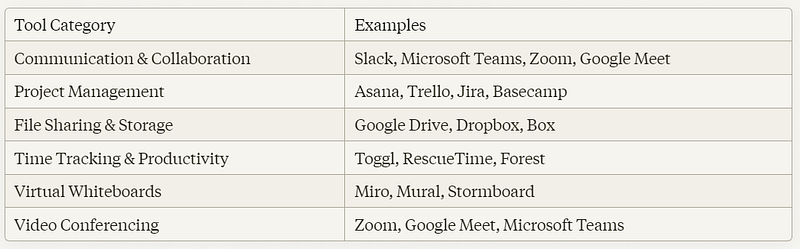
Invest time in exploring and implementing the tools that best suit your team’s needs.
Provide training and resources to ensure everyone is comfortable and proficient in using these tools.
Additionally, stay up-to-date with the latest technology trends and be open to trying new tools that could enhance your team’s productivity and collaboration.
Continuous Learning and Development
Continuous learning and development are crucial for both personal and team growth.
As a remote team manager, it’s your responsibility to create opportunities for your team members to upskill and stay ahead of the curve.
- Encourage online courses and certifications: Provide access to online learning platforms or reimbursement for relevant courses and certifications that align with your team’s goals and skill development needs.
- Host virtual workshops and webinars: Arrange for knowledgeable team members or industry experts to lead virtual workshops or webinars. These sessions can cover a wide range of topics, from technical skills to soft skills like communication or time management.
- Promote knowledge sharing: Encourage team members to share their expertise by leading internal training sessions or creating knowledge-sharing resources, such as tutorials or documentation.
- Offer mentorship opportunities: Pair experienced team members with those seeking guidance and support in specific areas. Mentorship programmes can foster professional growth and strengthen team bonds.
- Allocate learning time: Dedicate a portion of each team member’s schedule to learning and development activities. This highlights the value of ongoing education and keeps it from falling victim to competing priorities.
By investing in your team’s professional development, you not only equip them with the skills and knowledge needed to excel in their roles but also demonstrate your commitment to their growth and success.
Measuring and Optimising Performance
In a remote work environment, it’s essential to have a system in place to measure and optimise team performance.
Without the traditional means of observation and face-to-face interactions, you’ll need to rely on data-driven insights and feedback loops.
Here are some strategies to consider:
- Establish Key Performance Indicators (KPIs): Define clear, measurable KPIs that align with your team’s goals and objectives. These could include metrics like project completion rates, customer satisfaction scores, or sales targets.
- Implement performance tracking tools: Utilise tools like project management software or time-tracking applications to monitor progress, identify bottlenecks, and gain insights into team productivity.
- Conduct regular check-ins and feedback sessions. Schedule recurring one-on-one meetings with team members to discuss their performance, provide feedback, and address any challenges or concerns they may have.
- Encourage self-evaluation and reflection: Encourage team members to regularly self-evaluate their performance and identify areas for improvement. This fosters accountability and self-awareness.
- Celebrate successes and recognise achievements: Recognise and celebrate team and individual achievements, no matter how big or small. This not only boosts morale but also reinforces the behaviours and practices you want to see more of.
- Continuously optimise and iterate: Use the data and feedback you gather to identify areas for improvement and make necessary adjustments to your processes, tools, or team structure. Continuous optimisation is key to maintaining high performance in a remote work environment.
By implementing a robust performance measurement and optimisation system, you’ll gain valuable insights into your team’s strengths and areas for improvement, enabling you to make data-driven decisions and drive continuous growth and success.
Wrapping It Up
Managing a remote team is no easy feat, but with the right strategies and mindset, it can be an incredibly rewarding and productive experience.
Remember, communication, trust, community-building, work-life balance, leveraging the right tools, continuous learning, and performance optimisation are the key pillars of successful remote team management.
Embrace the challenges, stay adaptable, and keep an open mind. And most importantly, don’t forget to have fun and enjoy the unique benefits that come with leading a remote team!
So, what are you waiting for? It’s time to put these best practises into action and unleash the full potential of your remote workforce.
Your team (and your future self) will thank you for it!
Thanks for reading…
If you enjoyed reading my story, please highlight any parts you think other readers would find interesting.
Don’t forget to leave your comments about what you thought of this story.
Consider following me here on Medium and subscribing to my stories.
Discover more from nom@d learning
Subscribe to get the latest posts sent to your email.
 nom@d learning
Leave a comment