
Ever feel like your days and weeks fly by in a blur without making progress on your goals? Discover the simple strategies I used to eliminate distractions, stay focused, and get twice as much meaningful work done through better time management.
Late one Sunday night, I was lying in bed, restless and dissatisfied. The week had flown by in a blur of meaningless distractions and unproductive tasks.
I hadn’t made progress on any of my goals. As I scrolled mindlessly through social media, it hit me—this is how I had been spending almost all of my free time for as long as I could remember.
I decided I needed to make a change. The coming week, I was going to cut out all the unnecessary time wasters and distractions and focus only on meaningful work.
But how? Where to even start?
The next morning, armed with a notepad, I wrote down how I had spent my time the previous week.

I broke it down hour by hour and wrote down everything I did outside of work.
To my surprise, over 20 hours had been spent on social media, streaming videos, snacking, and other unproductive activities!
I realised I had no idea where all that time was going.
Making a Plan
With this new awareness, I knew I had to get strategic. Here is the plan I came up with:
- Delete social media apps from my phone: Out of sight, out of mind. I decided I would only check social media on my laptop during dedicated hours.
- Plan meals in advance. No more drifting to the pantry for an unnecessary snack out of boredom. Healthy, pre-prepared meals only.
- Compile a priority task list. I wrote down the most important things I wanted to accomplish in the week ahead of me. This included tasks like writing a blog post, scheduling client calls, and starting a new side project.
- Set a cut-off time for screens: no screens after 8 pm to ensure quality rest and downtime before bed instead of mindless scrolling.
Armed with my new plan and focused intentions, Monday morning arrived. It was time to put it to the test.
The First Few Days
Not having social media at my fingertips was definitely an adjustment at first.
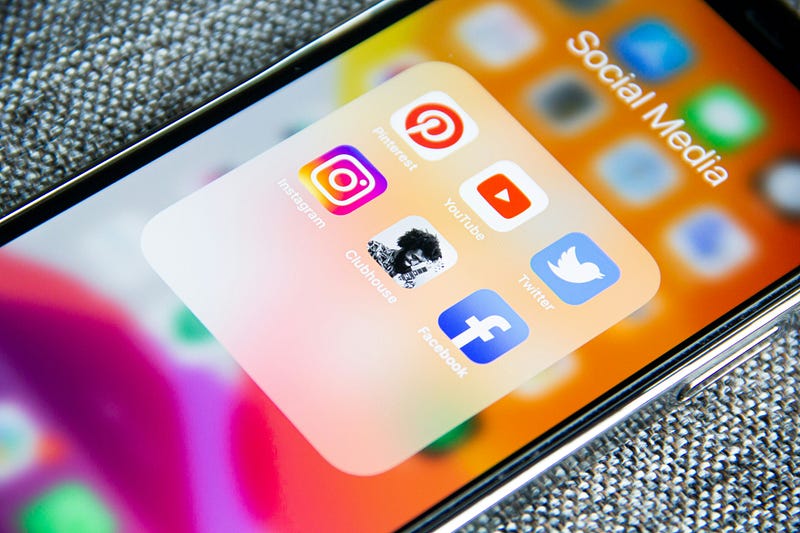
A few times I caught myself instinctively opening an app before remembering it was deleted. However, staying off my phone meant I was much more present wherever I was.
“Wow, you seem very focused and productive lately,” commented my friend Jessica over dinner one night.
I told her about my experiment and she was intrigued.
“Do you mind if I try it too? I could use more structure.”
We decided to hold each other accountable.
By Wednesday, I was deep in a flow state, knocking tasks off my list.
I even had time and energy in the evenings for hobbies like reading a novel instead of laying on the couch mindlessly scrolling.
My productivity was through the roof.
However, everyone has their limits.
By Thursday, I was starting to feel burned out.
My friend Lisa invited me out for a drink after work and normally I would’ve said no, but I was in need of a real break.
Reassessing and Adjusting

“You look tired, how’s your no-distractions week going?” asked Lisa.
I told her about my successes but also my exhaustion.
She wisely pointed out,
“It’s great that you’re being so productive, but don’t forget to also take it easy on yourself sometimes. All work and no play isn’t sustainable long term.”
She had a point. I realised I needed to reassess my strategies. When I got home, I reviewed my plan:
- Social media was still deleted from my phone, but I decided brief checking on my computer in the evenings would now be allowed instead of a total ban. Moderation, not elimination, was key.
- Meal planning would continue, but unplanned treats in moderation would not be prohibited or cause guilt.
- While the priority task list was useful, I wouldn’t pressure myself to complete every single thing—flexibility was important.
With these adjustments, the final days of my week felt much more balanced and maintainable.
I focused when I needed it, but I also needed permission to relax. A sustainable routine was emerging instead of unsustainable perfectionism.
Reflecting on What Worked
As Sunday arrived again, I reflected on the progress made.
Not only had I accomplished many important goals on my list, but I also realised how much time and mental bandwidth I had wasted before.
Even occasional mindless scrolling adds up quickly!
With my new strategies and habits, I found I got so much more done each day just by eliminating unnecessary distractions.
I also learned that while structure is good, rigidity is not—flexibility and balance are key to long-term change.
Jessica told me she also had a very productive week following the same plan.
It seemed we had both discovered a blueprint for optimising our time and energy.
While not perfect, it was worlds better than our blurred, distracted previous routines.
Overall, it only took some small changes and awareness to radically transform my week for the better.
I resolved to continue cultivating these good habits while allowing for adaptability.
The minor sacrifices were more than worth the major accomplishments and increased quality of life.
What small shift could you make to optimise your routines and achieve more?

Thanks for reading…
If you enjoyed reading my story, please highlight any parts you think other readers would find interesting.
A couple of claps 👏 wouldn’t go amiss, either.
Don’t forget to leave your comments about what you thought of this story.
Consider following me here on Medium and subscribing to my stories.
Discover more from nom@d learning
Subscribe to get the latest posts sent to your email.
 nom@d learning
Leave a comment