
How Evelyn reclaimed her life after her 20-year marriage ended
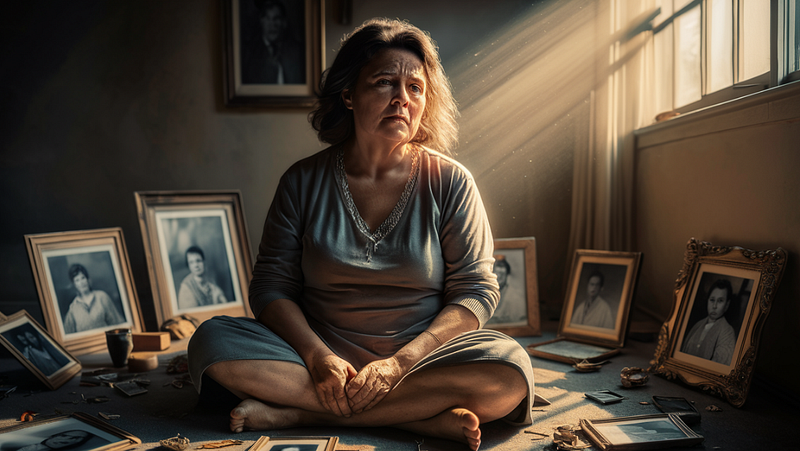
Evelyn stared blankly out the window of her empty apartment, the divorce papers crumpled on the kitchen counter serving as a constant reminder of the life she had lost.
At 45 years old, she had never imagined starting over, but here she was — alone, scared, and unsure of how to move forward.
Since her husband of 20 years had walked out the door six months ago, Evelyn had found herself struggling with overwhelming feelings of sadness, anxiety, and emptiness.
Simple tasks like cooking dinner or paying the bills felt insurmountable, and she frequently found herself in tears for no apparent reason.
Her once-vibrant social life had dwindled as she withdrew from friends, unable to muster the energy or motivation to be around others.
The Grip of Adjustment Disorder
Evelyn’s adjustment disorder was permeating every aspect of her life. At work, she found it increasingly difficult to concentrate, often missing deadlines and making careless mistakes.
Her boss had noticed the change in her demeanour and productivity, leaving Evelyn fearful that she could lose her job if she didn’t get a handle on things soon.
Socially, Evelyn had withdrawn from her friends, avoiding their calls and making excuses not to attend gatherings.
The thought of having to put on a brave face and make small talk exhausted her. She knew her friends were concerned, but the idea of opening up about her pain and vulnerability felt overwhelming.
Even basic self-care tasks like cooking, cleaning, and running errands had become monumental challenges.
Evelyn would often find herself staring blankly at the refrigerator, unsure of what to make for dinner, or letting piles of laundry accumulate until she had no clean clothes left to wear.
The cluttered, unkempt state of her apartment only served to heighten her feelings of hopelessness and despair.
Seeking Professional Support
As Evelyn’s feelings of depression and anxiety continued to intensify, she knew she needed to take action to regain control of her life.
Drawing upon the coping strategies outlined in the background information, Evelyn decided to reach out to a mental health professional for support.
During her first therapy session, Evelyn was able to open up about the overwhelming sense of loss and sadness she was experiencing.
Her therapist validated her feelings and provided her with practical tools to manage her adjustment disorder.
They discussed the importance of self-care, including getting enough sleep, eating nutritious meals, and engaging in regular exercise.
Her therapist also encouraged Evelyn to gradually re-engage with her social support network.
At first, Evelyn felt anxious about reaching out to her friends, but she found that opening up about her struggles helped her feel less alone.
Slowly, she began accepting invitations to low-key social gatherings, finding that the companionship and emotional support from her loved ones lifted her spirits.
In addition to the talk therapy, Evelyn’s therapist also recommended a short-term course of antidepressant medication to help alleviate some of her more severe depressive symptoms.
Evelyn was hesitant at first, but she recognised that the combination of therapy and medication could provide the best path forward in her recovery.
Rebuilding Her Life
Over the next several months, Evelyn began to see gradual improvements in her mental health and overall well-being.
With the support of her therapist and medication management, her depressive symptoms started to subside. She found herself feeling more motivated and energetic, slowly regaining a sense of control over her life.
One of Evelyn’s biggest breakthroughs came when she decided to reinvent her living space.
She spent a weekend decluttering and reorganising her apartment, creating a calming and organised environment that felt like her own.
This small but meaningful act helped boost her mood and made her feel more grounded in her new circumstances.
Evelyn also made a conscious effort to re-establish her social connections.
She reached out to her closest friends, being vulnerable about the challenges she was facing.
To her surprise, they welcomed her back with open arms, offering a listening ear and practical support whenever she needed it.
Gradually, she started accepting invitations to girls’ nights, weekend brunches, and other social gatherings, finding that the interactions lifted her spirits and provided a much-needed sense of community.
As Evelyn continued to work through her adjustment disorder, she also rediscovered her passion for hobbies and leisure activities that had fallen by the wayside during her marriage.
She signed up for a dance class, joined a local book club, and made it a point to schedule regular solo outings, such as trips to the museum or an afternoon at the park.
These acts of self-care reinforced her sense of independence and gave her a renewed zest for life.
A Future of Resilience and Hope
As the months passed, Evelyn’s journey of adaptation and resilience continued to unfold.
She remained diligent in her self-care efforts, making sure to prioritise her mental and physical well-being each day.
The combination of therapy, medication, and her own proactive coping strategies allowed her to gradually regain a sense of balance and control in her life.
One of the most significant milestones for Evelyn was the day she felt ready to start dating again.
It was a daunting prospect, but with the encouragement of her therapist and close friends, she put herself out there and joined a few online dating platforms.
At first, the process was filled with nerves and self-doubt, but Evelyn slowly learned to navigate the ups and downs of the dating world with more confidence.
Through her newfound relationships, Evelyn discovered that she had a lot to offer a potential partner.
She was no longer defined by her past marriage, but rather by the resilient and empowered woman she had become.
When she eventually met someone special and entered a new relationship, Evelyn felt a sense of excitement and hope for the future, rather than the fear and uncertainty that had once consumed her.
Today, Evelyn looks back on her journey with a deep sense of pride and gratitude.
While the divorce was undoubtedly one of the most difficult experiences of her life, she has emerged from it stronger, more self-assured, and more in touch with her authentic self.
She continues to nurture her supportive friendships, explore new hobbies and interests, and prioritise her own well-being.
Evelyn knows that there will always be challenges to face, but she is now equipped with the tools and resilience to adaptively navigate whatever life has in store.
Thanks for reading…
If you enjoyed reading my story, please highlight any parts you think other readers would find interesting.
A couple of claps 👏 wouldn’t go amiss, either.
Don’t forget to leave your comments about what you thought of this story.
Consider following me here on Medium and subscribing to my stories.
Discover more from nom@d learning
Subscribe to get the latest posts sent to your email.
 nom@d learning
Leave a comment