
The art of imperfect progress: unleashing your potential
Have you ever felt stuck in the never-ending quest for perfection?
Let’s take a look at the world of perfectionism and discover how to break free from its iron grip.
Table of Contents
· The struggle of perfectionism
· The hidden costs of chasing perfection
· Perfectionism vs. High Standards: Spot the Difference
· 1. Embrace the “good enough” mindset
· 2. Practice self-compassion
· 3. Reframe failure as a learning opportunity
· 4. Set time limits
· 5. Challenge your all-or-nothing thinking
· 6. Focus on Progress, Not Perfection
· 7. Practice mindfulness
· 8. Seek support
· The Art of Imperfect Action: Real-Life Success Stories
· The Messy Entrepreneur
· The Recovering Perfectionist Artist
· The “B+ Student” Success Story
· Tackling Perfectionism Head-On
· Conclusion: Embracing the Beauty of Imperfection
The struggle of perfectionism
Many believe that achieving perfection is the ultimate goal, when in reality, it is an unattainable standard that only leads to frustration and self-criticism.
Imagine yourself standing at the edge of a diving board, all set to take that exhilarating leap into the unknown. But instead of jumping, you’re frozen, analysing every possible outcome.
That’s perfectionism in a nutshell.
It’s like a relentless taskmaster cracking its whip, always pushing you to do better, be better, and achieve more.
But here’s the important point: instead of helping you move forward, it often keeps you from progressing.
When we accept imperfect progress, we set free our real potential by embracing our flaws and imperfections.
It’s about moving forward with courage and compassion, knowing that growth and learning come from taking imperfect action rather than waiting for perfect conditions.
Remember, every step forward is progress, no matter how small or imperfect it may appear.
The hidden costs of chasing perfection
Perfectionism isn’t merely about wanting to do your best; it’s a destructive force that can hinder your progress. It’s a double-edged sword that can slice through your personal and professional life, leaving deep wounds. Let’s break it down:
- Stress overload: Your mind races like a sprinter, trying to anticipate every possible hiccup along the way.
- Procrastination station: You postpone things because you’re afraid they won’t be perfect.
- Relationship strain: Your high standards might push others away.
- Missed opportunities: While you’re polishing that one project to perfection, life’s passing you by.
- Self-doubt central: Nothing’s ever satisfactory enough, including yourself.
Perfectionism vs. High Standards: Spot the Difference
Now, don’t get me wrong. Having high standards isn’t a detrimental thing. However, there is a significant distinction between pursuing excellence and succumbing to perfectionism. Here’s how to tell them apart:
- High standards: “I’ll do my best, learn from my mistakes, and strive for progress.”
- Perfectionism: “If it’s not perfect, it’s a total failure.”
- High standards: “I’m proud of what I’ve accomplished, even if it’s not flawless; it’s a testament to my growth.”
- “I could’ve done better. It’s never satisfactory enough.”
- High standards: “Feedback helps me improve.”
- Perfectionism: “Criticism means I’m not good enough.”
Okay, now that we’ve pinpointed the issue, let’s dive into how to conquer it. Here are some tried-and-true strategies to help you break free from perfectionism’s grip:
1. Embrace the “good enough” mindset
Remember, done is better than perfect. Start by setting realistic goals and celebrating small victories. It’s like learning to walk — you don’t expect to run a marathon on your first try, do you?
2. Practice self-compassion
Talk to yourself like you would to a friend. Would you berate your bestie for making a small mistake? I didn’t think so. So why do it to yourself? Cut yourself some slack, buddy.
3. Reframe failure as a learning opportunity
What if we told you that failure isn’t the end of the world but the beginning of wisdom? Every stumble is a chance to learn and grow. It’s similar to falling off a bike; each mistake helps you improve your balance.
4. Set time limits
Ever heard of Parkinson’s Law? To fill the available time, work expands. So, give yourself deadlines and stick to them. It’s like ripping off a band-aid — sometimes it’s better to just get it over with!
5. Challenge your all-or-nothing thinking
Life isn’t black-and-white. It’s a whole rainbow of possibilities. Try to see the shades of grey in situations. Not everything has to be perfect to be worthwhile.
6. Focus on Progress, Not Perfection
Think of life as a journey, not a destination. Each step forward, no matter how small, is progress. It’s like planting a garden—growth takes time, just as flowers don’t bloom overnight.
7. Practice mindfulness
Stay present in the moment instead of worrying about the future or dwelling on past mistakes. It’s akin to savouring a delicious meal; focusing on the present moment is essential for full enjoyment.
8. Seek support
Remember, you’re not alone in this battle. Don’t hesitate to lean on your friends, family, or a therapist for help. It’s like having a cheerleading squad — their support can give you the boost you need to keep going.
The Art of Imperfect Action: Real-Life Success Stories
Now, let’s meet some people who embraced imperfection and thrived:
The Messy Entrepreneur
Meet Sarah, a tech start-up founder. She used to obsess over every detail of her product, resulting in delays after launches. One day, she decided to release a “good enough” version. Guess what? Users loved it and provided valuable feedback for improvements. Because she dared to be imperfect, her company is now thriving.
The Recovering Perfectionist Artist
Then there’s Tom, a painter who couldn’t finish a single piece because it was never “just right.” He challenged himself to complete one painting a week, imperfections and all. Now, he has a successful gallery showcasing his unique, slightly imperfect style.
The “B+ Student” Success Story
And let’s not forget about Lisa, who always pushed herself to get straight A’s. She was stressed, sleep-deprived, and miserable. When she allowed herself to aim for B’s instead, she found time for hobbies, friends, and actually enjoying her studies. She ended up getting into her dream college, not because of perfect grades, but because she was a well-rounded, pleased applicant.
Tackling Perfectionism Head-On
Is perfectionism always bad?
Not necessarily. It’s great to aim for excellence. But when it starts causing stress, procrastination, or unhappiness, it’s time to reassess.
How do I know if I’m a perfectionist?
If you often feel like nothing you do is good enough, struggle to begin or complete tasks because of high standards, or worry about making mistakes, you might be dealing with perfectionism.
Is there a connection between perfectionism and mental health issues?
Yes, perfectionism can be associated with anxiety, depression, and eating disorders. If you’re concerned, it’s best to speak with a mental health professional.
How can I help a perfectionist friend or family member?
Offer support and encouragement. Help them celebrate small victories and reframe “failures” as learning opportunities. Encourage them to seek professional help if needed.
Do children experience perfectionism too?
Indeed, perfectionism can begin at a young age. Encourage children to embrace mistakes as part of learning and to praise effort over outcome.
Conclusion: Embracing the Beauty of Imperfection
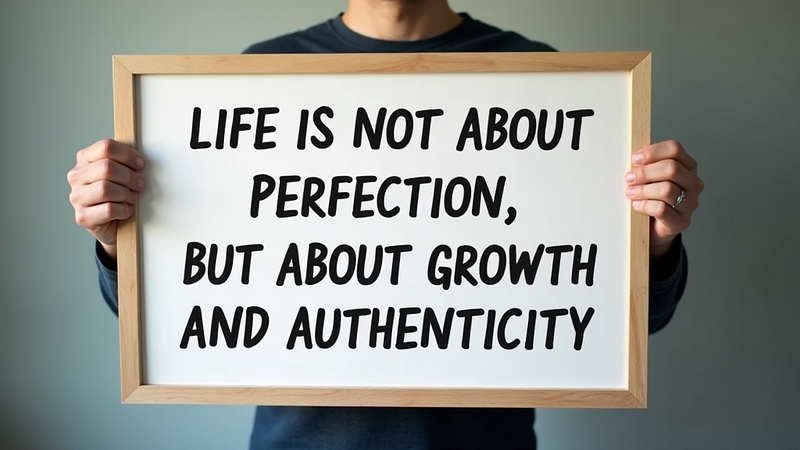
As we come to the end of our exploration of perfectionism, always keep in mind: life is not about perfection, but about growth and authenticity. It’s about growing, learning, and becoming the best version of yourself — imperfections and all.
Next time you feel trapped by perfectionism, take a moment, breathe deeply, and remind yourself that progress matters more than perfection.
Now, step out boldly and embrace your beautifully imperfect self with pride. Who knows, your supposed ‘flaws’ might just be the unique qualities that set you apart and make you extraordinary.
After all, in the words of Leonard Cohen, “There is a crack in everything. That’s how the light gets in.”
Thanks for reading…
If you enjoyed reading my story, please highlight any parts you think other readers would find interesting.
A couple of claps 👏 wouldn’t go amiss, either.
Don’t forget to leave your comments about what you thought of this story.
Consider following me here on Medium and subscribing to my stories.
Discover more from nom@d learning
Subscribe to get the latest posts sent to your email.
 nom@d learning
Leave a comment