
The mystery of the knuckle-cracking sound
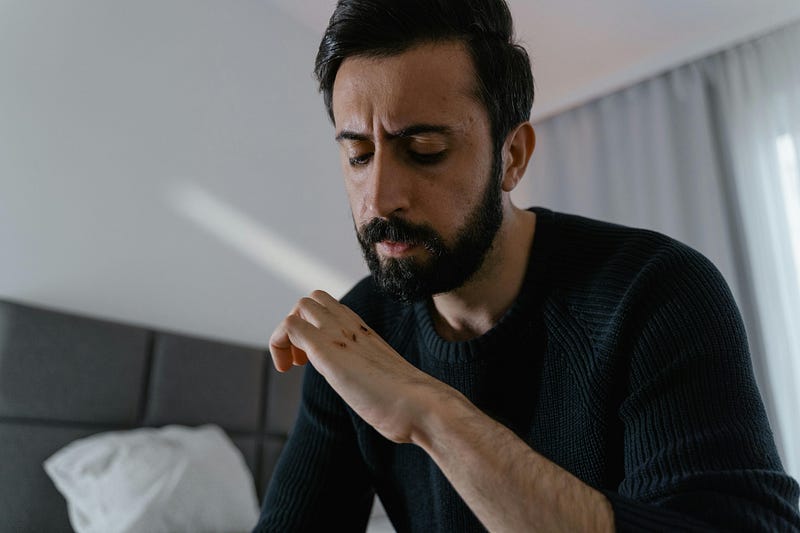
For generations, the popping noise produced from cracking one’s knuckles has been shrouded in speculation about potential health effects.
Let’s take a deeper look into the science behind this mysterious joint sound and determine whether the old wive’s tale of it leading to arthritis holds any truth.
Demystifying the Mechanics of Knuckle-Cracking
When you bend your fingers to elicit a crack, you are manipulating the synovial fluid that surrounds and lubricates the knuckle joints. This fluid contains tiny gas bubbles normally dissolved within it.
By flexing the joint, you alter the fluid’s pressure environment, causing those bubbles to suddenly form and release — producing the signature “pop” we associate with knuckle-cracking.
Contrary to assumptions, knuckle-cracking does not cause any harm to tissues. It’s simply rapid gas release from the joint cavity.
Separating Myth from Fact on Arthritis Risk
For decades, the notion that repetitive knuckle-cracking could somehow contribute to arthritis has persisted.
However, long-term cohort studies have followed self-proclaimed knuckle-crackers and non-crackers for decades, carefully monitoring for any differences in arthritis incidence between the groups over time.
Consistently, researchers have found no statistically significant increased risk of developing osteoarthritis in those who crack their joints versus those who abstain.
While very vigorous cracking may cause minor microtrauma, current evidence shows this degree of joint stress poses no cumulative harm.
Some physiologists theorise that mild cracking could hypothetically provide temporary relief of joint stiffness through lubricating fluid agitation and limited range-of-motion benefits.
Studies have shown that many individuals report feeling looser after an indulgent knuckle pop.
Of course, like most things, moderation is key—too forceful or frequent cracking could potentially degrade delicate joint tissues over many years.
But casual, non-vigorous cracking appears benign for most healthy individuals.
When Cracking May Best Be Avoided
Certain caveats apply when considering knuckle-cracking’s safety profile.
Those with pre-existing joint conditions like arthritis would be wise to limit additional stresses on inflamed tissues by avoiding frequent knuckle-cracking.
Pregnant individuals should exercise more restraint due to the joint laxity associated with pregnancy. And anyone experiencing pain or swelling from very vigourous cracking should scale back intensity or frequency.
In the absence of special circumstances, occasional knuckle cracks pose no proven dangers, according to current medical consensus.
Got Questions?
Can cracking become habitual?
While not physically addictive, temporary relief can reinforce cracking as a habit for some. Moderation remains wise.
Is back cracking as harmless as knuckles?
Generally, yes—as long as it remains casual and avoids forceful motions that could potentially strain ligaments over many years of repetitive stress.
Why do some cracks sound louder than others?
The volume of sounds can vary based on factors like joint position, surrounding muscle tension, temperature/humidity levels, and amount of synovial fluid within the joint at the given time.
Wrapping Up
After examining what science tells us about knuckle-cracking’s mechanics and long-term health outcomes, the supposed arthritis link can be put to rest.
Occasional, non-vigorous cracking likely poses no true dangers for most. Of course, moderation remains prudent, and those with pre-existing joint issues may want to limit additional stresses.
But for healthy individuals, popping one’s knuckles need not inspire undue fear or guilt.
Thanks for reading…
If you enjoyed reading my story, please highlight any parts you think other readers would find interesting.
A couple of claps 👏 wouldn’t go amiss, either.
Don’t forget to leave your comments about what you thought of this story.
Consider following me here on Medium and subscribing to my stories.
Discover more from Nom@d learning
Subscribe to get the latest posts sent to your email.
 Nom@d learning
Leave a comment