
How a moment of silence can speak volumes
Enoticed how some people seem to command attention effortlessly?
They speak, and the room hangs on their every word.
Chances are, they’ve mastered a powerful tool that’s hiding in plain sight: the pause.
That’s right. The secret to captivating communication isn’t about talking more. It’s about knowing when to say nothing at all.
🔑 Key Takeaways
- Strategic pauses can dramatically increase your impact.
- Silence can be more powerful than words.
- Pausing helps you think clearer and speak more confidently.
- Mastering the pause can transform your personal and professional interactions.
📚 Table of Contents
· The Power of the Pause
· Types of Pauses and When to Use Them
· The Psychology Behind the Pause
· How to Master the Art of Pausing
· Real-World Applications
· Common Mistakes to Avoid
· Got Questions?
· Wrapping Up
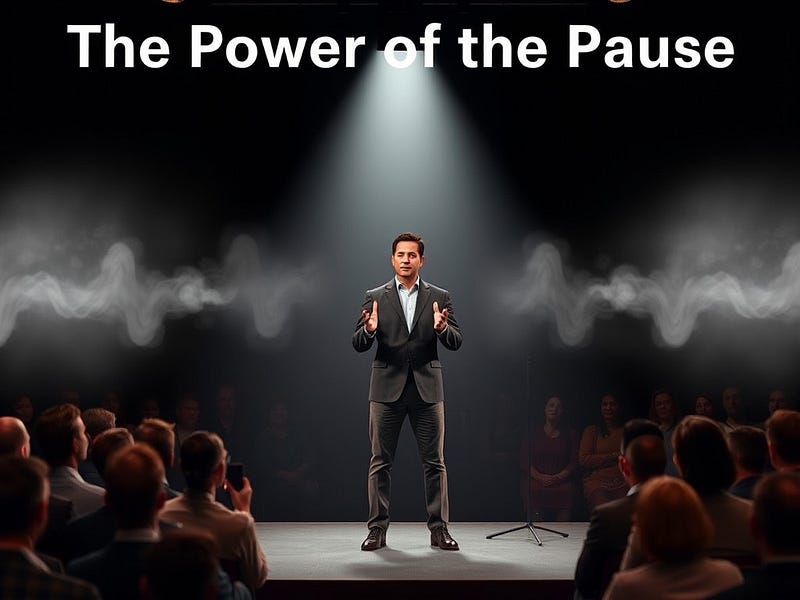
The Power of the Pause
There you are in a heated debate. Everyone’s talking over each other, voices rising.
Suddenly, you take a deep breath and pause for a full three seconds before speaking.
The room falls silent. All eyes turn to you.
That, my friend, is the power of the pause.
A well-timed pause can:
- Create suspense
- Emphasise a point
- Give your audience time to absorb information
- Make you appear thoughtful and confident
- Regain control of a conversation
It’s like a secret superpower hiding in plain sight. And the best part? Anyone can learn to use it.
Types of Pauses and When to Use Them
Not all pauses are created equal. Here are some types you can add to your communication toolkit:
- The Dramatic Pause: Use this before delivering a key point or punchline. It builds anticipation and ensures all eyes are on you.
- The Thinking Pause: When asked a tough question, don’t rush to answer. Take a moment to gather your thoughts. It shows you’re giving the question serious consideration.
- The Empathetic Pause: After someone shares something emotional, a pause shows you’re processing and respecting their words.
- The Regaining Control Pause: In a heated discussion, a pause can help you reset the tone and regain composure.
- The Emphasis Pause: Use short pauses between words to give each one more weight. It’s. Like. This.
The Psychology Behind the Pause
Ever wonder why pauses are so powerful? It’s all in our heads — literally.
Our brains are wired to pay attention to changes in our environment. When someone suddenly stops speaking, it creates a change that makes us perk up and take notice.
Moreover, silence can be uncomfortable.
When you pause, you create a vacuum that your audience instinctively wants to fill. They lean in, waiting for your next words. And when you do speak, they’re primed to listen.
How to Master the Art of Pausing
Okay, so you’re sold on the power of the pause. But how do you actually do it? Here are some tips to get you started:
- Practice mindful breathing: Take a deep breath before speaking. It naturally creates a pause and centres you.
- Count silently: Start by counting to three in your head during pauses. Adjust the length as you get more comfortable.
- Use visual cues: If you’re presenting, use slide transitions as natural pause points.
- Record yourself: Practice speeches or conversations and record them. Listen back and note where pauses could enhance your message.
- Embrace the awkward: At first, pausing might feel uncomfortable. Push through it. The discomfort is often just in your head.
Remember, mastering the pause is like learning any new skill. It takes practice, but the results are worth it.
Real-World Applications
The beauty of the pause is its versatility. You can use it anywhere:
- In presentations to emphasise key points
- During job interviews to show thoughtfulness
- In negotiations to create tension and gain leverage
- In personal conversations to show you’re really listening
- When giving feedback to allow for reflection
I once saw a CEO use the power of the pause masterfully.
In a tense board meeting, accusations were flying. Instead of jumping to defend himself, he paused, took a sip of water, and calmly addressed each point.
The pause completely changed the room’s energy.
Common Mistakes to Avoid
While pausing is powerful, it’s possible to overdo it. Here are some pitfalls to watch out for:
- Pausing too often: It can make you seem unsure or forgetful.
- Pausing for too long: There’s a fine line between dramatic and awkward.
- Using filler words: “Um” and “uh” are not pauses. They’re distractions.
- Forgetting to breathe: A pause is a chance to take a breath. Use it.
- Ignoring your audience: Pay attention to how they react to your pauses and adjust accordingly.
Got Questions?
Won’t pausing make me seem slow or unsure?
On the contrary, strategic pauses make you appear thoughtful and confident. It’s rushing that often makes us seem unsure.
How long should a pause be?
It depends on the situation, but generally, 2–3 seconds is a good start. In more formal settings, you can pause for up to 5 seconds.
Can pausing help with public speaking anxiety?
Absolutely! Pausing gives you a moment to collect yourself and breathe, which can help calm nerves.
How do I know when to pause?
Look for natural breaks in your speech before important points or when you want to emphasise something. With practice, it’ll become instinctive.
Can pausing work in written communication?
Yes! In writing, paragraph breaks, ellipses, and even line breaks can serve as pauses, creating rhythm and emphasis in your text.
Wrapping Up
Mastering the art of the pause isn’t just about changing how you speak. It’s about changing how you’re heard, how you think, and ultimately, how you impact those around you.
So the next time you’re in a conversation, giving a presentation, or even just chatting with a friend, remember the power of the pause.
Take a breath, embrace the silence, and watch as your words take on new weight and meaning.
In a world that never stops talking, sometimes the most powerful thing you can do is say nothing at all.
So go ahead, pause for effect. Your audience is waiting.
Thanks for reading…
If you enjoyed reading my story, please highlight any parts you think other readers would find interesting.
A couple of claps 👏 wouldn’t go amiss, either.
Don’t forget to leave your comments about what you thought of this story.
Consider following me here on Medium and subscribing to my stories.
Discover more from Nom@d learning
Subscribe to get the latest posts sent to your email.
 Nom@d learning
Leave a comment