
The rise of online dating and its impact on IRL connections
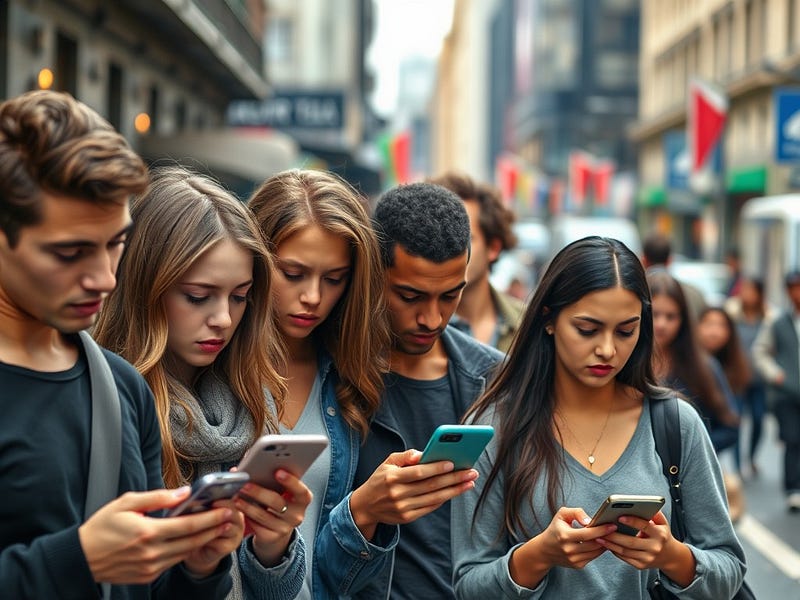
Gone are the days of relying on chance or friends for romantic connections.
Now, singles turn to dating apps, revolutionising how we meet, match, and connect.
With just a few swipes, these platforms streamline the dating process but also shake up traditional relationships.
Let’s find out how dating apps are reshaping intimacy and altering our expectations in the modern world.
🔑 Key Takeaways
- Dating apps offer too many options, making it harder to commit.
- They prioritise appearance over deeper connections.
- Emotional bonds form online before meeting, risking mismatched chemistry.
- Juggling multiple partners delays exclusivity and weakens monogamy.
- Many users seek validation, not meaningful connections.
The Convenience of Constant Options
Dating apps have created a mindset of nonstop browsing through a huge pool of potential partners.
With so many profiles to flip through, it’s hard not to feel overwhelmed.
This endless choice can actually backfire, leaving users wondering if there’s someone better just a swipe away.
As a result, many find themselves juggling multiple conversations instead of focusing on one person.
Ghosting and benching have become the norm—it’s just too easy to cut off contact and move on to the next match.
From Serendipity to Strategic Selection
In the past, relationships blossomed from chance encounters—meeting someone at work, school, or through friends—allowing chemistry to unfold naturally over time.
Dating apps, however, ditch this serendipity.
Now, finding a partner feels more like a strategic game of crafting the perfect profile, optimising photos, and matching based on limited bios.
This curated process can feel like a chore, turning people into products to be judged mainly on surface-level looks instead of personalities revealed through real conversations.
Blurring the Digital and IRL Boundaries
Dating apps have blurred the lines between digital and in-person interactions.
Unlike in the past, when emotional connections formed after face-to-face meetings, people now develop feelings entirely online through texting and sharing personal details—sometimes before ever meeting in real life.
This can lead to complications if the in-person chemistry isn’t there, and it often makes users prioritise digital intimacy over physical connections.
On the upside, these apps also enable matches from different cities or countries to connect online first, expanding our potential partner pool far beyond local boundaries.
How Dating Apps Impact Expectations and Behaviours
Dating apps have undoubtedly changed what we expect from romance and relationships, as well as how we behave in our searches and interactions. Here are some of the key ways:
Hyper-focus on Physical Attraction
When choosing partners is primarily based on assessing photos, physical attractiveness gets disproportionately prioritised.
People often right-swipe or message matches mainly due to looks without considering compatibility on other levels. This emphasises external beauty over internal qualities.
Impatience for Commitment
In the past, relationships evolved gradually over months or years. But in the fast-paced world of apps, there’s an implicit expectation that matches should quickly escalate into commitment.
If things don’t progress at a rapid pace, users may lose interest and resume scrolling.
Addiction to Validation
The constant feedback loops of receiving likes, matches, and messages trigger dopamine hits that make using dating apps addictively pleasurable.
But this constant validation-seeking can undermine our ability to find fulfilment in real connections.
Fear of Missing Out (FOMO)
Knowing there may be potentially “better” profiles just a tap away breeds FOMO — a fear of missing an opportunity by not continuing to browse.
This can prevent users from fully investing in current matches or relationships.
Emphasis on Entertainment over Intimacy
For some, dating apps serve primarily as entertainment portals for passing time and ego-boosting rather than as means to seriously search for a long-term partner.
This casual, playful mindset shapes user behaviours.
How Dating Apps Impact Relationships
Beyond altering our expectations and behaviours, dating apps have also transformed the nature of modern relationships in significant ways.
Non-exclusive Multi-Partnering
It’s now common for daters to juggle multiple matches simultaneously rather than focusing on one person.
Exclusive relationships are delayed as partners keep their options open, sometimes even after becoming intimate.
Weaker Commitment to Monogamy
When the grass always seems greener on the other side, monogamy becomes a less compelling concept for some.
Dating apps have facilitated more open relationships and instances of cheating by enabling easy contact with other partners.
Emphasis on Convenience over Compatibility
With a deluge of profiles, it’s tempting to prioritise factors like proximity, attractiveness and instant chemistry over long-term compatibility when selecting partners.
This sets relationships up for shallowness and instability.
Difficulty Forming Deeper Bonds
The constant parade of potential new matches on apps, combined with behaviours like breadcrumbing and ghosting, undermine users’ ability to form meaningful emotional intimacy within relationships.
Trust issues are common.
Less Investment in Conflict Resolution
Faced with endless alternatives, people are quicker to end relationships over minor conflicts instead of working through problems.
Dating apps have made discarding a partner feel low-cost and low-effort.
Got Questions?
Do dating apps actually help people find meaningful long-term relationships?
While they facilitate connecting with more potential partners, apps may not be the best for fostering commitment or compatibility due to behaviours they encourage. Success likely depends more on individual goals and relationship skills.
Do dating apps treat intimacy and partnerships as commodities?
Some argue they encourage viewing others as products to be assessed and optimised for rather than as holistic human beings. However, users can also form deep connections through apps depending on how they approach them.
Do dating apps live up to the hype or lead to disappointment?
Most research shows they provide enjoyment and validation for many but don’t necessarily improve prospects for long-term happiness or fulfilment. Success depends on realistic expectations and not relying on apps alone to meet all relationship needs.
Do dating apps disadvantage certain groups?
Some evidence suggests they may disproportionately benefit those who are young, attractive, extroverted and photogenic. However, niche apps also help underrepresented groups connect. Overall impacts are mixed and complex, with pros and cons for different demographics.
Are online dating behaviours changing offline relationships too?
To some degree, yes. Options mentality, lack of commitment, and unwillingness to work through conflicts seen on apps have seeped into how even non-users form partnerships. But core human needs for intimacy remain unchanged.
Wrapping Up
Dating apps have revolutionised how singles connect in the digital age. By streamlining the process of browsing profiles, matching, and messaging potential partners, they’ve become a ubiquitous part of modern romance.
However, their rise has also disrupted traditional models of finding and maintaining relationships.
From emphasising physical attraction and convenience over compatibility to weakening users’ commitment skills and abilities to form deep bonds, their influence has been wide-ranging.
While apps provide validation and entertainment, they may not serve all people’s needs for intimacy as well as organic real-world encounters once did.
As with any technology, their impacts are mixed — it depends greatly on how individual users approach them.
Overall, dating in the app era is in a period of transition as human relationship norms continue adapting to new realities.
Thanks for reading…
If you enjoyed reading my story, please highlight any parts you think other readers would find interesting.
A couple of claps 👏 wouldn’t go amiss, either.
Don’t forget to leave your comments about what you thought of this story.
Consider following me here on Medium and subscribing to my stories.
Discover more from Nom@d learning
Subscribe to get the latest posts sent to your email.
 Nom@d learning
Leave a comment