
Why modern therapy doesn’t want you to know about it
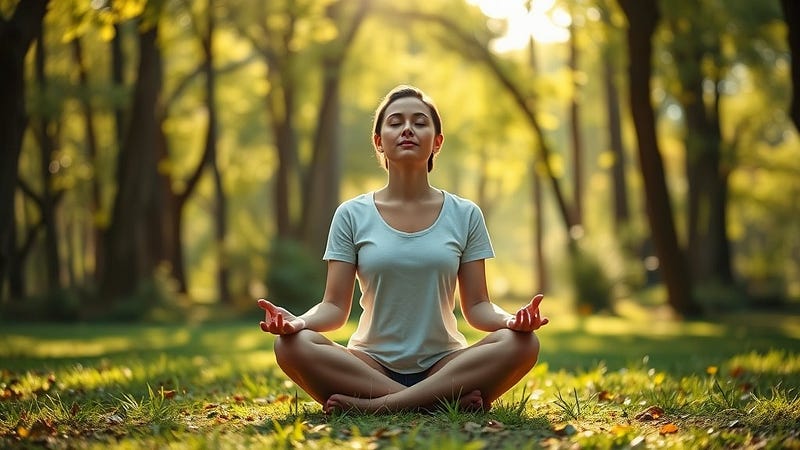
Anxiety can feel like an unrelenting force, with racing thoughts and physical symptoms that disrupt daily life.
However, an ancient mindfulness technique offers a powerful way to manage anxiety and reclaim inner peace.
To better understand how mindfulness can improve your mental health, this article exposes its transformative potential with the support of research and personal experiences.
🔑 Key Takeaways
Mindfulness techniques have been around for centuries and offer powerful solutions to modern anxiety.
This ancient technique focuses on breathing and presence, helping you control your thoughts and emotions.
Regular practice can lead to significant improvements in mental health and overall well-being.
This technique is simple, effective, and accessible to everyone.
There’s a reason modern therapy doesn’t talk about it—it’s free and doesn’t require a prescription.
The Ancient Secret of Mindfulness
Mindfulness, a practice with roots in ancient traditions, emphasises being fully present in the moment.
Unlike modern therapies that often focus on cognitive restructuring or medication, mindfulness encourages individuals to observe their thoughts and emotions without judgement.
This practice has been shown to provide significant relief from anxiety and stress.
The Lost Art of Presence
Presence is the cornerstone of mindfulness. It involves cultivating awareness of your surroundings and internal states, allowing you to respond to situations rather than react impulsively.
This awareness can help you manage anxiety by preventing you from becoming overwhelmed by racing thoughts.
Breathing: The Gateway to Mindfulness
Breathing is a fundamental aspect of mindfulness. By focusing on your breath, you can ground yourself in the present moment. This technique is simple yet powerful, making it accessible to anyone.
Research indicates that mindfulness-based practices can significantly reduce anxiety levels and improve overall mental health.
A meta-analysis found that mindfulness-based therapy had a moderate effect size (Hedges’ g = 0.63) for improving anxiety symptoms in clinical populations, demonstrating its efficacy as a therapeutic intervention [1].
The Power of Tradition
Mindfulness is not merely a trend; it is a practice that has stood the test of time. From Buddhist monks to ancient philosophers, many cultures have employed mindfulness to achieve inner peace.
This historical context adds credibility to its effectiveness as a mental health tool.
How It Worked for Me
I was once overwhelmed by anxiety, feeling like I was constantly battling my thoughts.
After trying various therapies and techniques, I stumbled upon this ancient mindfulness practice in an old library book.
Sceptical yet hopeful, I decided to give it a try.
The First Encounter
The book described mindfulness as a “path to inner peace.” Intrigued, I began to incorporate mindfulness into my daily routine.
Initially, I practiced for just a few minutes each day, focusing on my breath and observing my thoughts without judgement.
The Transformation
Within weeks, I noticed a significant change. My anxiety didn’t vanish, but it became manageable.
I learned to breathe through anxious moments, which felt like discovering a secret weapon against my racing thoughts.
This practice became a part of my daily life, allowing me to navigate stressful situations with greater ease.
A Personal Journey
As I continued to practice mindfulness, I found opportunities to integrate it into various aspects of my life—on the train, in the park, and even during meetings.
The more I practiced, the more I felt in control, shifting my perspective from viewing the world as a source of threats to seeing it as a realm of possibilities.
The Science Behind the Technique
Research from the present day supports mindfulness, which is not just an ancient practice. Studies have shown that mindfulness can lead to various positive psychological effects, including:
- Reduced stress and anxiety: mindfulness practices have been linked to lower levels of anxiety and stress. A study at the University of Waterloo found that just 10 minutes of mindfulness meditation helped participants focus better and reduced their ruminative thought patterns, which are common in anxiety [3].
- Improved focus and concentration: mindfulness training has been shown to enhance cognitive flexibility and attention. Participants in mindfulness programmes often report better focus and concentration, which can be particularly beneficial in high-stress environments.
- Enhanced emotional regulation: mindfulness promotes greater awareness of emotions, allowing individuals to respond to feelings more effectively. This emotional regulation is crucial for managing anxiety and preventing it from escalating.
- Increased well-being: research indicates that mindfulness practices can lead to greater subjective well-being and overall life satisfaction. A review of mindfulness-oriented interventions highlighted their effectiveness in improving psychological health and reducing symptoms of anxiety and depression [2].
Neuroplasticity and Mindfulness
Engaging in mindfulness can also lead to changes in brain structure. Regular practice has been shown to increase grey matter density in regions associated with learning, memory, and emotional regulation, making the brain more resilient to stress and anxiety [1].
Step-by-Step Guide to Practicing Mindfulness
If you’re ready to incorporate mindfulness into your life, follow these simple steps:
- Find a quiet place: While mindfulness can be practiced anywhere, starting in a calm environment can be beneficial.
- Sit comfortably: You don’t need to adopt a specific posture; simply find a position that feels comfortable for you.
- Focus on your breath: Close your eyes and concentrate on your breathing. Notice the sensations of air entering and leaving your body.
- Observe your thoughts: As thoughts arise, observe them without judgement. Imagine them as clouds passing by—acknowledge their presence but let them drift away.
- Return to your breath: Whenever your mind wanders, gently redirect your focus back to your breath. This act of returning is central to mindfulness practice.
- Practice self-compassion: Understand that it’s normal for the mind to wander. Be kind to yourself and keep bringing your attention back to the present moment.
Tips for Beginners
- Start small: Begin with just a few minutes of practice each day and gradually increase the duration as you become more comfortable.
- Be patient: Mindfulness is a skill that develops over time, so don’t expect immediate results.
- Make it a habit. Consistency is key. Try to practice mindfulness at the same time each day.
- Use reminders: Set reminders on your phone or place sticky notes in visible areas to encourage your practice.
- Find a community: Joining a mindfulness group or finding a friend to practice with can enhance motivation and support.
Advanced Techniques
Once you feel comfortable with the basics, consider exploring advanced techniques such as:
- Body scans: Focus on different parts of your body, bringing awareness to sensations and releasing tension.
- Loving-kindness meditation: cultivate feelings of compassion towards yourself and others, fostering a sense of connection.
- Mindfulness walks: Practice being present while walking, paying attention to the sensations in your body and your surroundings.
Real-Life Applications
Mindfulness can be beneficial in various scenarios:
- At Work: When feeling overwhelmed by deadlines, take a moment to focus on your breath. This can help you regain focus and reduce stress.
- In Traffic: Use the time in traffic as an opportunity to practice mindfulness. Focus on your breath and observe your surroundings without judgement.
- During Conflict: When engaged in a disagreement, pause to breathe and observe your emotions. This can help you respond more calmly and effectively.
Got Questions?
How long should I practice mindfulness each day?
Start with just a few minutes and gradually increase the duration as you become more comfortable. Even short practices can yield significant benefits.
Can I practice mindfulness while doing other activities?
Yes! Mindfulness can be integrated into various activities, such as walking, eating, or chores. The key is to stay present and focused on what you’re doing.
What if I can’t stop my mind from wandering?
It’s normal for your mind to wander. The practice of mindfulness is about noticing when this happens and gently bringing your focus back to the present.
Do I need any special equipment?
No, you only need a willingness to engage in the practice and a few moments of your time.
When will I see results?
Many people start to notice a difference within a few weeks of regular practice. The key is consistency; make mindfulness a regular part of your routine.
Wrapping Up
Anxiety does not have to control your life. This ancient mindfulness technique has the power to help you manage anxious thoughts and reconnect with the present moment.
Mindfulness is easy, effective, and available to everyone, according to research and personal experience.
By incorporating this practice into your daily routine, you can build resilience, enhance emotional regulation, and discover the inner peace you’ve been searching for.
So why not give it a try?
You may find that mindfulness is the key to transforming your relationship with anxiety.
Sources:
[1] https://www.ncbi.nlm.nih.gov/pmc/articles/PMC2848393/
[2] https://www.ncbi.nlm.nih.gov/pmc/articles/PMC3679190/
[3] https://www.mindful.org/mindfulness-meditation-anxiety/
Thanks for reading…
If you enjoyed reading my story, please highlight any parts you think other readers would find interesting.
A couple of claps 👏 wouldn’t go amiss, either.
Don’t forget to leave your comments about what you thought of this story.
Consider following me here on Medium and subscribing to my stories.
Discover more from Nom@d learning
Subscribe to get the latest posts sent to your email.
 Nom@d learning
Leave a comment