
Exploring the phenomenon of collective false memories and their impact on our perception of reality
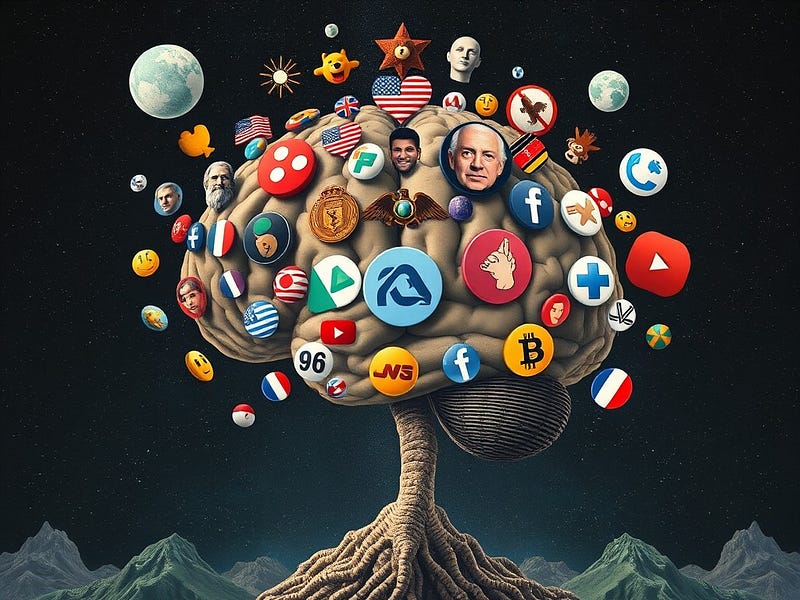
Imagine discussing your favourite childhood movies with friends, and when someone brings up the iconic line from Star Wars, “Luke, I am your father,” everyone agrees, vividly recalling the scene.
The worst part is — that line was never actually spoken in the movie! The actual quote is, “No, I am your father.”
Welcome to the bizarre world of the Mandela Effect!
This article explores the intriguing world of shared false memories.
We’ll explore why our brains can trick us, leading groups to remember things that never really happened.
By the end, you’ll discover how memory works and be amazed by its surprising reliability.
🔑 Key Takeaways
The Mandela Effect is a phenomenon where large groups of people share false memories.
Our brains tend to make and strengthen incorrect memories.
Knowing this can make us more conscious of our memory constraints.
Various theories attempt to explain the causes of the Mandela Effect.
Identifying false memories can enhance our ability to make decisions and think critically.
What is the Mandela Effect?
The Mandela Effect refers to a strange phenomenon where a significant number of individuals collectively misremember a particular detail or event.
- Origin of the term: The name comes from the false collective memory of Nelson Mandela’s death in the 1980s, though he actually died in 2013.
This phenomenon goes beyond simple forgetfulness or individual confusion. It involves:
- A shared experience, where many people hold the same false memory.
- A strong conviction in the accuracy of their recollection, despite evidence to the contrary.
The Mandela Effect challenges both our perception of memory and prompts us to contemplate the nature of reality itself.
Famous Examples of the Mandela Effect
Take a stroll down memory lane with these well-known instances:
- The Berenstain Bears: Many remember the children’s book series as “The Berenstein Bears” (with an “ein” instead of “ain”).
- Monopoly Man: Although many believe the Monopoly mascot wears a monocle, he actually doesn’t.
- “Mirror, mirror on the wall”: In Disney’s Snow White, the actual line is “Magic mirror on the wall,” not “Mirror, mirror,” as most recall.
- Curious George’s Tail: Despite clear memories of him having a tail, Curious George has always been tailless in the books and TV show.
- Fruit of the Loom Logo: Some recall a cornucopia in the logo, but it has never been part of the design.
These examples demonstrate the pervasive and convincing nature of false memories.
Does this make you question everything you think you know?
The Science Behind False Memories
Our brains are incredible organs, capable of amazing feats, but they’re not perfect when it comes to memory.
In fact, our minds can often distort or even create false memories without us realising it.
Rather than being high-definition recordings, our memories are more like patchwork quilts—reconstructed each time we recall them, which can lead to unintentional changes in the details.
Key Factors Contributing to False Memories:
- Influence from others: Suggestions or leading questions from others can impact how we remember events.
- Filling in gaps: Our brains sometimes create information to fill in missing parts of our memories, making them seem more coherent.
- Source confusion: We might confuse things we imagined, dreamed, or thought about with actual experiences.
- Cognitive biases: Biases, like confirmation bias, can shape how we recall and interpret events, reinforcing false memories.
- Memory flexibility: When we remember something, it becomes malleable and can be altered before being stored again, making it open to change.
These mechanisms help explain why the Mandela Effect occurs and why our memories aren’t always as reliable as we’d like to believe.
Theories Explaining the Mandela Effect
Although most scientists explain the Mandela Effect through memory quirks and social influence, several alternative theories have gained popularity:
- Alternate Realities: This theory suggests that the Mandela Effect is evidence of different realities intersecting or people shifting between alternate versions of reality.
- Temporal Journeys: Proposes that changes in the past—possibly caused by time travellers—have created ripple effects that influence our collective memories.
- Virtual Reality Hypothesis: It suggests we are living in a simulated world, and the Mandela Effect represents glitches or modifications within this digital environment.
- Influential Control: Implies that powerful entities are deliberately altering historical records and manipulating public perception.
While these ideas are fascinating, they lack scientific evidence, which is crucial for evaluating the validity of any theory. Without evidence, these explanations remain speculative.
On the other hand, research has thoroughly examined and supported the psychological and social influences on memory.
These psychological explanations for false memories and social influence are the most widely accepted among experts, as they offer a scientifically grounded understanding of how our brains create and reinforce inaccurate memories.
How the Mandela Effect Impacts Our Daily Lives
The Mandela Effect can have real-world implications in various areas of life, including:
- Historical Accuracy: false memories can lead to misunderstandings or misinterpretations of important historical events and figures.
- Legal Implications: Eyewitness testimonies, which are often critical in legal proceedings, can be unreliable due to the influence of false memories.
- Brand Perception: Companies may face challenges when consumers misremember their logos or slogans, affecting brand recognition and consumer trust.
- Personal Relationships: Conflicts over shared experiences can strain relationships, especially when individuals have conflicting memories.
- Self-Perception: Realising that our memories are fallible can impact our confidence in our own experiences and decision-making.
By recognising the Mandela Effect, we can become more critical thinkers, better equipped to understand the complexities of memory, and more cautious in our reliance on recollections.
Strategies to Improve Memory Accuracy
While we can’t completely eliminate false memories, here are some effective ways to enhance memory accuracy:
- Pay Attention: Be fully present and engaged when experiencing events to strengthen your memory formation.
- Use Multiple Senses: Engage various senses when forming memories. This approach helps create more detailed and lasting memories.
- Practice Mindfulness: Regular mindfulness meditation can boost cognitive function, including memory improvement.
- Get Enough Sleep: Sleep is crucial for memory consolidation and recall, helping to organise and retain information effectively.
- Fact-Check and Verify: Always verify information from reliable sources to ensure accuracy.
- Be Aware of Biases: Recognising cognitive biases can help you approach memories more objectively, enhancing their accuracy.
- Use External Memory Aids: Employ note-taking, photographs, and other documentation to provide additional cues for accurate recall.
Implementing these strategies can help reduce the impact of the Mandela Effect in your life by enhancing memory accuracy and minimising the occurrence of false memories.
Got Questions?
Can the Mandela Effect be scientifically proven?
While the Mandela Effect can be observed and studied, fully proving its causes scientifically requires ongoing research and analysis of the complex interplay between memory, perception, and social influence.
Are individuals more susceptible to the Mandela Effect?
Yes, factors like suggestibility, age, and cognitive function can influence susceptibility.
Can the Mandela Effect be harmful?
In most cases, it’s harmless. Although it can have serious consequences in situations requiring accurate recall.
Can the Mandela Effect be reversed?
While awareness can help prevent future false memories, previously formed false memories can be persistent. However, acknowledging the correct information can help override the false memory over time.
Wrapping Up:
The Mandela Effect illustrates that our recollections—no matter how vivid or confident—can sometimes be misleading.
For instance, many people distinctly remember the children’s book series as “The Berenstein Bears,” yet it is actually “The Berenstain Bears.”
This example highlights how collective false memories can shape our perceptions of reality, making us question the reliability of our memories.
Instead of viewing this as a mistake, we can accept it as a normal part of how our minds work. The Mandela Effect serves as a prompt to:
- Doubt What We Believe: Encouraging us to critically examine our memories and beliefs.
- Check Facts: reminding us to seek out reliable sources of information, especially in a rapidly changing world.
- Approach Memories with Caution: Allowing for the possibility that our recollections may not be as accurate as we think.
As we navigate a world where information is constantly evolving, the lessons from the Mandela Effect can help us become more discerning consumers of information.
By understanding the fallibility of our memories, we can approach new information with curiosity and scepticism, ensuring that we make informed decisions based on evidence rather than assumptions.
Embracing the wonderful quirks of the human mind, we can turn the insights gained from the Mandela Effect into valuable tools for critical thinking, empowering us to better evaluate our experiences and the world around us.
Thanks for reading…
If you enjoyed reading my story, please highlight any parts you think other readers would find interesting.
A couple of claps 👏 wouldn’t go amiss, either.
Don’t forget to leave your comments about what you thought of this story.
Consider following me here on Medium and subscribing to my stories.
Discover more from nom@d learning
Subscribe to get the latest posts sent to your email.
 nom@d learning
Leave a comment