
Explore the intriguing history behind common practices that used to get people in trouble.
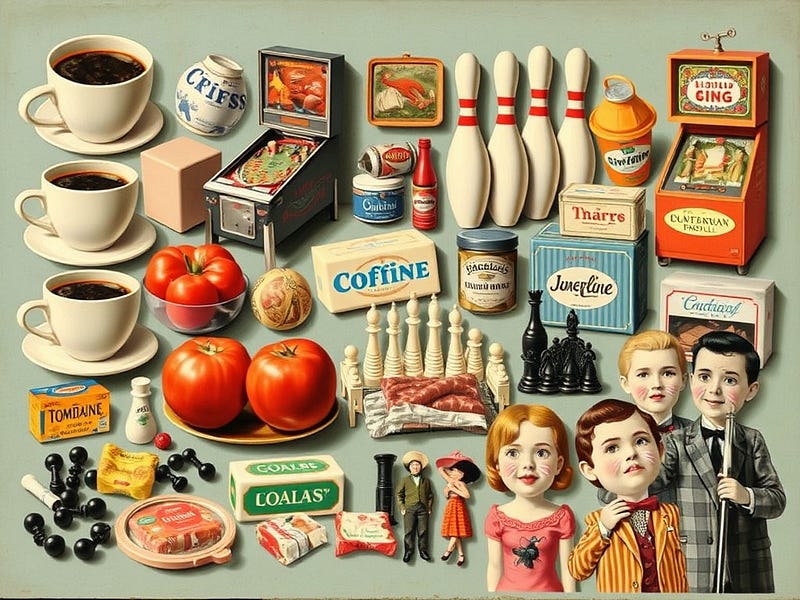
Remember that time you sipped a latte on Sunday or played a friendly game of chess? Well, guess what? You might’ve been a hardened criminal back in the day!
Let’s take a whimsical journey through history and explore ten everyday activities that once had the long arm of the law reaching for the handcuffs.
Everything from coffee, pinball machines, bowling, margarine, chess, tomatoes, soap, makeup, dancing couples, and sneezing!
🔑Key Takeaways:
• Many common activities were once illegal because of old laws.
• Social norms and values have drastically changed over time.
• Some historical bans seem laughable by today’s standards.
• Legal systems change to mirror shifting public opinions.
• Understanding past prohibitions helps us see cultural shifts more clearly.
1. The Scandalous Act of Drinking Coffee
Picture this: It’s 1675, and you’re craving a steaming cup of coffee. But wait! In parts of Europe, that aromatic brew could land you in the slammer.
Monarchs were worried that coffee houses were centres of rebellion, where people gathered to share rebellious ideas over their banned coffee.
However, the ban on coffee was short-lived. People’s love for the invigorating drink was more powerful than the orders of the monarchs.
Eventually, coffee houses transformed into popular gathering spots for intellectuals and artists, similar to the trendy cafes we see today.
2. Pinball Wizardry: A Game of Chance or Skill?
From the 1940s to the 1970s, pinball was outlawed in many U.S. cities.
New York City’s mayor, Fiorello LaGuardia, even staged dramatic “pinball machine busting” operations, smashing the contraptions with sledgehammers.
What was the reason for the strong opposition to this innocent game? Officials believed pinball was a type of gambling that could negatively influence young people.
The ban on pinball was only lifted in 1976 after a court demonstration of skills by a pinball wizard named Roger Sharpe. Talk about a high-stakes game!
3. The Sinful Sport of Bowling
Knock down those pins, and you might’ve knocked yourself right into jail.
In the 14th century, King Edward III of England banned bowling to ensure his archers focused on military training rather than spending time at the alley.
The ban persisted for centuries, with American Puritans later banning bowling due to its association with gambling.
Only in the 20th century did bowling alleys transform into the family-friendly hangouts we recognise today. Strike!
4. Margarine: The Butter Impostor
Spread some margarine on your toast, and you could’ve been spreading yourself thin with the law.
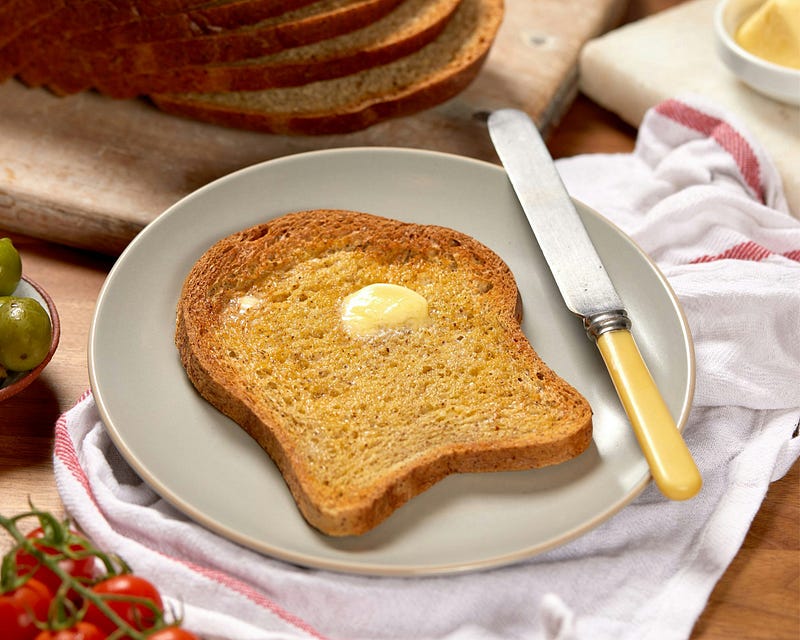
During the late 19th and early 20th centuries, multiple U.S. states banned margarine, citing it as a threat to the dairy industry.
Certain states even mandated that margarine be coloured pink or black to differentiate it from butter. Talk about a colourful controversy!
The final state ban on yellow margarine was lifted in 1967. Butter late than never!
5. Chess: A Royal Pain in the Rook
In 1061, Cardinal Damiani of Ossia banned chess among the clergy, calling it a ‘diabolical’ game. He believed that the game’s competitive nature distracted clergy from their spiritual duties and promoted unseemly behaviour.
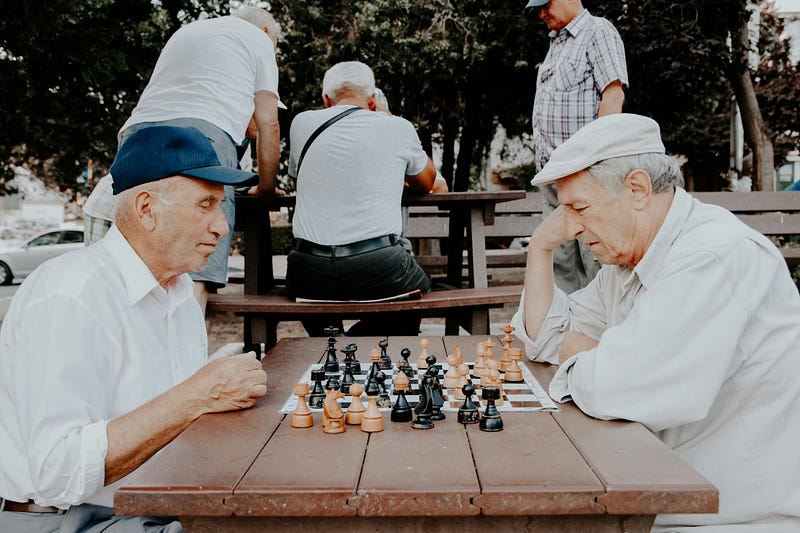
Later, King Louis IX of France prohibited the game entirely, considering it too frivolous.
Fortunately, these bans were lifted shortly after. Royalty and commoners alike soon came to enjoy chess, which became known as the “Game of Kings.”
It’s a remarkable tale of how this board game evolved and gained widespread popularity!
6. The Forbidden Fruit: Tomatoes
Today, tomatoes are a staple in countless cuisines. However, they were once considered poisonous and banned in parts of Europe.

When tomatoes were first introduced from the Americas, their resemblance to deadly nightshade plants made people wary.
It wasn’t until the late 18th century that tomatoes shed their bad rap and became a culinary darling.
Having gone from being banned to being widely used, these red beauties have come a long way!
7. Soap: Cleaning Up Its Act
Making soap was against the law in 7th-century Italy. Why? The powers that be thought soap production wasted valuable olive oil, which was primarily used for cooking and lighting.
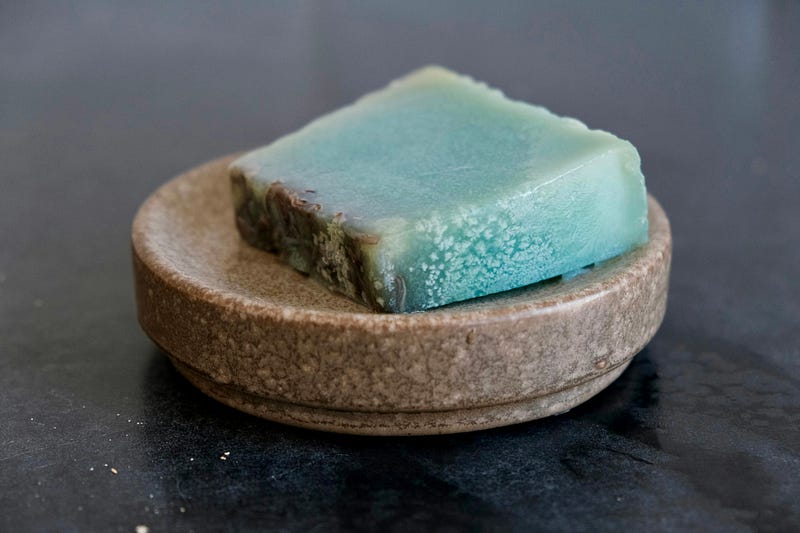
With the advancement of hygiene practices, perceptions of soap also evolved.
During the Middle Ages, soapmaking gained recognition as a respected craft. Talk about cleaning up its reputation!
8. Witchy Woman: Wearing Makeup
Painting your face could have been seen as portraying you as a witch in mediaeval times. Makeup was linked to vanity and deception. In some regions, women who wore makeup risked being accused of witchcraft.
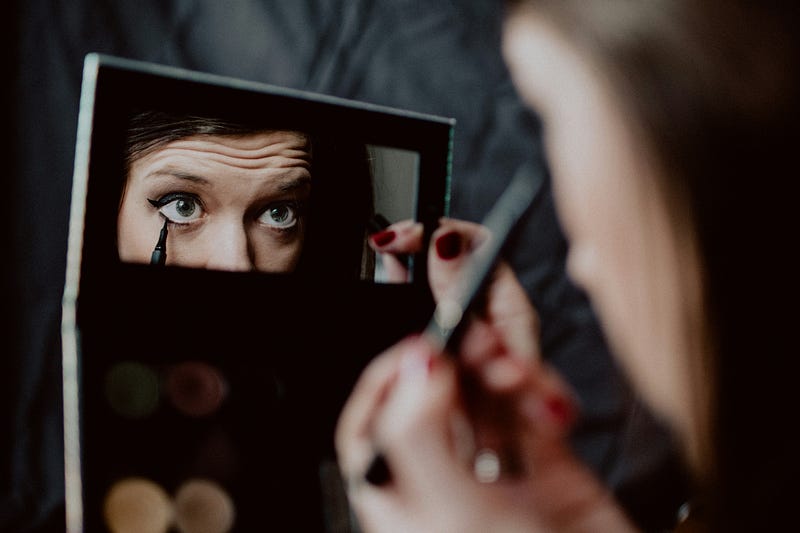
Attitudes slowly changed, and by the 18th century, both men and women were powdering their faces with abandon. From sinful to stylish, makeup made quite the makeover!
9. The Scandalous Waltz
When the waltz first twirled onto the scene in the late 18th century, it caused quite a stir. This dance, which involved gasp holding your partner close, was banned in many places for being too risqué.

But you can’t stop the music! The waltz gained popularity as a fundamental dance in ballrooms, setting the stage for the emergence of even more daring dance styles. Who knew your grandparents were such rebels on the dance floor?
10. Saying “Gesundheit”
During World War I, some parts of the United States banned the use of German words, including the common response to a sneeze, “Gesundheit.” Speaking German was considered unpatriotic and could result in fines or arrest.

Although the ban was short-lived, today, “Gesundheit” is commonly used along with “Bless you” in response to a sneeze. Bless our freedom of sneeze speech!
Got Questions?
Why were these everyday activities banned?
Moral panic, religious convictions, and attempts to regulate social behaviour were major influences on many of these bans. Some bans were rooted in misunderstandings or fears about new products or practices.
How long did these bans last?
The duration of the bans varied widely. Some bans, like those on coffee or chess, were relatively short-lived. Others, like restrictions on margarine, lasted for decades.
Were these bans enforced?
Enforcement varied depending on factors such as the time, place, and nature of the ban. Some bans, like the pinball prohibition, were aggressively enforced, while others were more loosely applied.
Did people find ways around these bans?
Absolutely! People found creative ways to bypass the bans due to their ingenuity. For example, during the margarine ban, some people would buy colourless margarine and mix in the provided yellow food colouring at home.
Could any of our everyday activities become illegal in the future?
It’s certainly possible! As society evolves, our laws and social norms also evolve. Future generations might view the things we take for granted today differently.
Wrapping Up
From sipping a latte to busting a move on the dance floor, it’s wild to think that these everyday activities once had a criminal edge.
Our journey through the lesser-known facets of legal history shows just how much societies can change over time.
Next time you spread some margarine on your toast before heading out for a game of bowling, take a moment to appreciate the freedom to do so.
Who knows? Maybe you’re engaging in tomorrow’s taboo activity right now!
Remember, laws and social norms are always evolving. So stay alert—that harmless hobby of yours might just be the next big scandal.
But for now, go ahead and enjoy your coffee, play some pinball, and waltz to your heart’s content.
Just don’t blame me if you start feeling like a rebel without a cause!
Thanks for reading…
If you enjoyed reading my story, please highlight any parts you think other readers would find interesting.
A couple of claps 👏 wouldn’t go amiss, either.
Don’t forget to leave your comments about what you thought of this story.
Consider following me here on Medium and subscribing to my stories.
Discover more from Nom@d learning
Subscribe to get the latest posts sent to your email.
 Nom@d learning
Leave a comment