
Unravelling the mystery behind a common phrase that’s more myth than reality
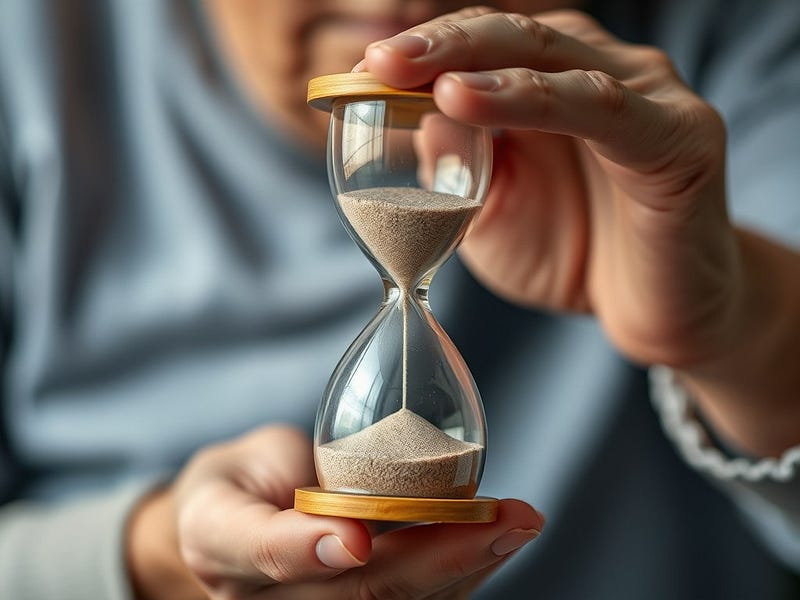
We’ve all heard the comforting phrase, “She died of old age.” But is it accurate? Not quite.
While it might sound simple, ageing is far more complex than just slowly fading away. It’s not a cause of death but rather a process—one where our bodies, time, and environment interact in intricate ways.
Remember when your grandpa used to say, “I’m not old, I’m seasoned”? He was onto something.
Let’s peel back the layers of this common misconception, exploring what truly happens in our twilight years and what really leads to death in the elderly.
🔑 Key Takeaways:
“Dying of old age” isn’t a medical diagnosis.
Death results from specific health conditions, even in the elderly.
Age-related changes make us more vulnerable to diseases.
Understanding the real causes can improve preventive care.
The phrase persists because it simplifies complex ideas and offers cultural comfort.
Get ready to see ageing in a whole new light as we explore the truth behind the phrase and the fascinating process of growing older.
The Myth of ‘Old Age’ as a Cause of Death
You recall how everyone said she “died of old age” at 92. But the truth is, no one actually dies from simply being old.
Medical professionals do not list “old age” as a cause on death certificates. It is not considered a cause of death in the medical field. Why do we continue to use the phrase “died of old age”?
The answer lies in our human need for simplicity and comfort. It’s easier to say someone died of old age than to list out a bunch of medical conditions. Like they’ve completed their journey, full circle.
Let’s pause for a moment and consider this. People do not pass away simply because their time has come. There is always a hidden reason, even if it is not immediately apparent.
The Real Culprits: What’s Actually Happening
Now, don’t get me wrong—ageing plays a role. But it’s more like a supporting actor than the lead role.
As we get older, our bodies change. They become more vulnerable, like a worn-out car.
However, similar to an old car, it’s not solely age that causes it to break down; it’s the worn-out components.
Now, let’s explore these ‘worn-out parts’ in humans. Let’s break it down:
- Heart disease: The heart gets exhausted.
- Cancer: Cells start behaving abnormally.
- Respiratory diseases: breathing becomes difficult.
- Alzheimer’s: The mind starts playing tricks.
- Infections: The body’s defences weaken.
These are just a few examples. The key point is that something specific causes the end, even if time has an impact on it.
The Importance of Age in Health (But It’s Not Everything)
Okay, so we’ve established that old age itself isn’t the grim reaper. But let’s give credit where it’s due — age does play a part in this whole shebang.
Think of your body like a fortress’ walls. When you’re young, those walls are strong and sturdy. But as time passes, small cracks begin to form. These cracks make it easier for invaders (diseases) to sneak in and cause trouble.
Some of these age-related changes include:
- Weaker immune system
- Slower cell regeneration
- Less efficient organ function
- Decreased muscle mass and bone density
- Changes in hormones and metabolism
It’s as if your body is gradually weakening its defence mechanisms. But remember, it’s not the reduced defence that leads to the end — it’s what manages to enter when your body’s alertness decreases.
The Importance of Knowing the Truth
You might be wondering, “Why does all this matter? Isn’t it just a trivial detail? ”
Well, my friend, knowledge is power, especially when it comes to our health.
Understanding the real causes behind what we casually call “dying of old age” can lead to better prevention and treatment.
It’s like knowing the weak spots in that fortress we talked about earlier. If you know where the cracks are, you can shore them up.
This knowledge can help us:
- Focus on specific health issues as we age.
- Make informed decisions about lifestyle choices.
- Advocate for better healthcare in our later years.
- Appreciate the complexity of the human body.
Plus, it helps us see our elders as more than just “old.” They’re not fading away—they’re fighting specific battles. And that deserves our respect and support.
The Language of Loss: Why We Still Say ‘Old Age’
So if “dying of old age” isn’t accurate, why do we keep saying it?
Because language often serves a different purpose—sometimes it’s about offering comfort rather than being perfectly precise.
Saying someone died of old age can feel:
- Natural and expected
- Less clinical and cold
- Respectful of a long life lived
- Comforting to those left behind
It’s a commonly used phrase that conveys a complex idea in a simple way, familiar to everyone. It illustrates a fulfilling life reaching a peaceful end. And let’s face it — sometimes that’s easier to swallow than a list of medical conditions.
However, we can maintain comfort while also recognising the truth. It’s not a matter of choosing one over the other.
A New Way of Thinking
Instead of saying “died of old age,” we could try:
- “Passed away after a long and full life.”
- “Died peacefully in their 90s.”
- “Left us after 85 wonderful years.”
These phrases keep the warmth while avoiding medical inaccuracies. It’s a small change, but it can make a big difference in how we think about ageing and death.
Got Questions?
Is there such a thing as dying from natural causes?
“Natural causes” is often used similarly to “old age,” but it’s not a specific medical term. It generally means death from an internal factor like disease rather than an external cause like an accident.
Can we predict how long someone will live?
While we can make educated guesses based on health and lifestyle factors, there’s no crystal ball for lifespan. People often surprise us with their resilience or vulnerability.
Does this mean we shouldn’t use the phrase “died of old age” anymore?
It’s not about banning phrases, but understanding their limitations. Use it if it brings comfort, but be aware of the medical reality behind it.
Are there any benefits to thinking someone died of old age?
It can provide a sense of completion and peace. However, understanding the specific causes can lead to better health awareness and potentially longer, healthier lives.
How can we use this information to live healthier lives as we age?
Focus on addressing specific health concerns rather than just accepting decline as inevitable. Stay active, eat well, and keep up with preventive care tailored to your individual needs.
Wrapping Up
Well, folks, we’ve taken quite a journey through the twilight years and beyond.
We’ve busted the myth of “dying of old age” and shone a light on what’s really going on when our elders pass away.
Age doesn’t abruptly end life like a light switch being turned off. It’s more gradual, like a slow adjustment of how our bodies function. However, it’s the specific health issues that ultimately determine the outcome.
By understanding this, we can approach ageing with awareness and potentially enhance our own journeys.
Ultimately, understanding these factors may empower us to lead longer, healthier lives.
So the next time you hear someone passed away due to natural causes associated with ageing, you’ll understand there’s more to it.
Perhaps you’ll initiate a conversation that alters our perspectives on ageing and death.
Cheers to ageing with wisdom, grace, and a healthy dose of reality.
Considering the fact that we’re not simply ageing, we’re improving our understanding of what that entails.
Thanks for reading…
If you enjoyed reading my story, please highlight any parts you think other readers would find interesting.
A couple of claps 👏 wouldn’t go amiss, either.
Don’t forget to leave your comments about what you thought of this story.
Consider following me here on Medium and subscribing to my stories.
Discover more from nom@d learning
Subscribe to get the latest posts sent to your email.
 nom@d learning
Leave a comment