
Your brain is keeping secrets — here’s what researchers found out about the command centre between your ears
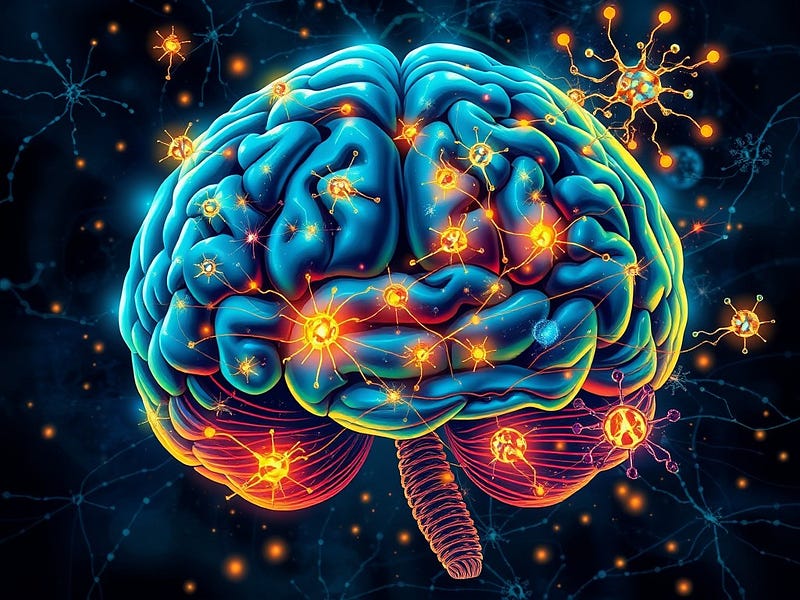
Think you know what’s happening inside your head? That three-pound marvel nestled between your ears holds more mysteries than we ever imagined.
Recent scientific discoveries have uncovered stunning revelations about how our brains work, and some of these findings might just change how you think about thinking.
☰ KEY TAKEAWAYS
Your brain runs a special cleaning system that only works while you sleep
The brain uses as much energy as a 12-watt LED bulb
Your gut and brain are connected through millions of neurons
The brain can create false memories with remarkable detail
Brain plasticity continues throughout your entire life
1. The Midnight Brain Wash
You might think your brain just rests during sleep, but scientists have discovered something extraordinary.
When you drift off to dreamland, your brain cells actually shrink by up to 60% to create wider spaces between them. This triggers a remarkable process that’s changing how we understand brain maintenance.
Imagine it as your brain’s personal cleansing system. While you sleep, cerebrospinal fluid rushes through these enlarged spaces, sweeping away toxic proteins and waste products that build up during your waking hours. This system, which scientists call the glymphatic system, works like a garbage disposal for your mind.
But here’s the fascinating part: this clean up crew only shows up when you’re sleeping. Skip a decent night’s rest, and these toxic proteins stick around, potentially contributing to various brain disorders. This discovery helps explain why sleep feels so refreshing—your brain literally gets a deep clean!
2. Your Brain’s Power Bill Would Shock You
Your brain is an energy-hungry organ that never stops working. Even when you’re lounging on the couch doing nothing, your brain burns through energy like a high-performance machine.
Here’s something wild: while your brain makes up only 2% of your body weight, it gobbles up 20% of your body’s total energy. That’s roughly equivalent to the power needed to run a 12-watt LED bulb. Doesn’t sound like much? Consider this—your brain is doing this 24/7, managing everything from your breathing to your deepest thoughts.
The brain achieves this remarkable feat by using glucose as its primary fuel source. Every minute, your brain cells consume 5.6 milligrams of glucose, which might explain why you feel foggy when your blood sugar drops.
3. The Hidden Social Network
Did you know your brain contains special cells that activate both when you perform an action and when you watch someone else perform the same action? These mirror neurones create a biological basis for empathy and learning.
When you see someone smile, these neurones fire as if you’re smiling yourself. This explains why yawns are contagious and why you might wince when watching someone else stub their toe. Your brain literally mirrors their experience!
Scientists have found that these mirror neurones play crucial roles in:
- Learning new skills
- Understanding others’ emotions
- Building social connections
- Developing language abilities
4. Time Travel in Your Mind
Your brain possesses a remarkable capacity to manipulate time, not through physical means, but through mental means. Scientists have discovered that your brain is constantly making predictions about the future while simultaneously processing the present and storing the past.
This time-travelling ability means your brain actually processes decisions several seconds before you become consciously aware of making them. Brain scans show activity patterns indicating a choice up to 10 seconds before a person reports having made that decision.
Your brain also manipulates your perception of time. Ever noticed how time seems to slow down during dangerous situations? That’s your brain increasing its processing power, creating the illusion of time dilation.
5. The Brain’s Art Gallery
Your brain processes art and music in ways that scientists are just beginning to understand. When you look at a beautiful painting or listen to your favourite song, multiple brain regions light up like a Christmas tree.
Brain scans reveal that viewing art triggers the same reward centres as falling in love or eating chocolate. But there’s more—your brain actually changes its neural firing patterns to match musical rhythms. When you’re listening to music, your brain waves synchronise with the beat!
Here are some mind-bending findings about your brain’s artistic side:
- Musicians’ brains show enhanced connectivity between left and right hemispheres
- Abstract art activates different neural networks than representational art
- Your brain processes music even while you’re sleeping
- Colour perception changes based on your emotional state
6. Your Second Command Centre
Scientists have dubbed the gut our “second brain,” and for good reason. Your digestive system contains a complex network of over 100 million neurones—more than in your spinal cord!
This gut-brain connection works both ways. Do you experience butterflies in your stomach before a big presentation? That’s your brain chatting with your gut. Are you experiencing brain fog after a heavy meal? That’s your gut talking back.
Some remarkable findings about this connection:
- 90% of serotonin production happens in your gut
- Gut bacteria influence mood and behaviour
- Stress can alter gut microbiome composition
- Certain probiotics may help reduce anxiety
7. Your Built-in Pharmacy
The brain manufactures its own painkillers that can be stronger than morphine. These natural opioids, called endorphins, kick in during stress, exercise, or pain—explaining the famous “runner’s high.”
But your brain’s chemical factory produces more than just painkillers:
- Oxytocin: The bonding chemical released during hugs
- Dopamine: Your reward system’s favourite messenger
- Serotonin: Your mood stabilizer
- Norepinephrine: Your natural stimulant
The brain can even activate these natural painkillers just by expecting relief—that’s the science behind the placebo effect!
8. The Memory Magician
Your memories aren’t like perfect recordings—they’re more like creative reconstructions. Every time you recall a memory, your brain actually rebuilds it, potentially adding or removing details.
This explains why eyewitness testimony can be unreliable and why different people remember shared experiences differently. Your brain fills in gaps with what it thinks should have happened, creating memories that feel real but might not be accurate.
Some fascinating memory facts:
- Memories form better when tied to emotions
- Sleep helps consolidate memories
- Physical exercise boosts memory formation
- Memories can be strengthened or weakened by recall
9. Your Inner Autopilot
Your conscious mind is just the beginning. Your brain makes thousands of decisions without your awareness, from adjusting your posture to filtering out background noise.
The default mode network, also known as this autopilot system, activates whenever you’re not concentrating on a specific task. It’s responsible for:
- Maintaining your balance
- Regulating breathing
- Processing environmental cues
- Running familiar routines
This explains why you can drive home without remembering the journey or brush your teeth while planning your day.
10. The Forever-Young Brain
Contrary to old beliefs, your brain continues to change and adapt throughout your life. This ability, called neuroplasticity, means you can learn new skills and form new neural connections at any age.
Research shows that:
- Learning a new language creates new neural pathways
- Regular exercise promotes brain cell growth
- Meditation can physically alter brain structure
- Mental stimulation builds cognitive reserve
Got Questions?
Q1. How does sleep affect brain function?
Sleep is crucial for your brain’s glymphatic system, which removes waste and toxins. Lack of sleep can impair memory, decision-making, and overall cognitive health.
Q2. What is neuroplasticity?
Neuroplasticity is the brain’s ability to adapt and form new neural connections throughout life. It’s how we learn new skills, recover from injuries, and strengthen cognitive abilities.
Q3. Why is the gut considered the “second brain”?
The gut contains over 100 million neurones and communicates with the brain via the gut-brain axis. This connection affects mood, cognition and overall well-being.
Q4. Can the brain heal itself after injury?
Yes, thanks to neuroplasticity. While some damage is irreversible, the brain can often rewire itself, especially with targeted therapies and practices like meditation or physical exercise.
Q5. How does music impact brain activity?
Music engages multiple brain regions, synchronises brain waves with rhythms, and even alters emotional states. It enhances creativity, memory, and mood.
Wrapping Up
Summary of Key Findings
- Sleep triggers the brain’s cleaning system, preventing toxic build up.
- The brain consumes immense energy, equivalent to a 12-watt bulb.
- Mirror neurones allow us to empathise and learn by observation.
- Neuroplasticity ensures the brain evolves at any age.
- There is a deep connection between gut health and brain health.
Future Implications
Emerging research promises deeper insights into brain function, potentially revolutionising mental health treatments, education methods, and cognitive ageing.
Are you curious about the potential of your own brain? Start small! Try meditation, learn a new skill, or simply ensure you get enough sleep. Your brain will thank you!
Thanks for reading…
If you enjoyed reading my story, please highlight any parts you think other readers would find interesting.
A couple of claps 👏 wouldn’t go amiss, either.
Don’t forget to leave your comments about what you thought of this story.
Consider following me here on Medium and subscribing to my stories.
Discover more from Nom@d learning
Subscribe to get the latest posts sent to your email.
 Nom@d learning
Leave a comment