
What if life is a simulation—and that’s not a bad thing? Explore how this idea could change the way we see reality and our place in it.

What if everything around us—the trees, the stars, the people we love—is part of an elaborate simulation?
Sounds like something straight out of a sci-fi movie, right?
But what if I told you this idea doesn’t have to be scary or depressing? In fact, it might just be the key to understanding life in a whole new way.
I used to think the simulation theory was just a wild thought experiment, something to debate over coffee with friends. But the more I explored it, the more I realised it could actually be a source of comfort and curiosity.
If we’re living in a simulation, it doesn’t mean life is meaningless. It could mean the opposite.
Let me share how I came to see simulation theory as a positive framework for understanding existence.
Whether you’re a sceptic or a believer, I hope this perspective sparks something in you—maybe even a little wonder.
What Is Simulation Theory, Anyway?
Let’s start with the basics. Simulation theory is the idea that our reality might be an artificial simulation, like a super-advanced video game created by a higher intelligence.
Think of it as the Matrix, but without the dystopian vibes.
I first stumbled on this concept in college, during a late-night conversation with a friend. At the time, it felt like a fun brain teaser.
Here’s an interesting YouTube video featuring Martin Rees: Are We Living in a Simulation? Video: Closer to Truth
Over the years, I started to see it differently. What if this theory isn’t about questioning reality but about redefining it?
Why I Stopped Being Afraid of the Simulation
For a long time, the idea of living in a simulation freaked me out. It felt like everything I knew could be a lie.
But then I had a thought: What if the simulation isn’t a trick? What if it’s a gift?
Imagine you’re playing a video game. Sure, the world isn’t “real,” but that doesn’t make the experience any less meaningful. The challenges, the relationships, the victories—they all matter because they’re part of your story.
Life might be the same way. Even if it’s a simulation, the emotions we feel, the connections we make, and the lessons we learn are still real to us. And that’s what counts.
How Simulation Theory Can Change Your Perspective
1. It Encourages Curiosity
If life is a simulation, then every moment is an opportunity to explore and learn. Suddenly, the mundane becomes fascinating.
Why does the sky turn pink at sunset? How do birds know where to migrate?

These questions aren’t just scientific—they’re part of the mystery.
2. It Fosters Creativity
Thinking of life as a simulation can spark your imagination.
What if we’re all characters in a story? What if we have the power to shape our own narratives?
This perspective can inspire you to think outside the box and embrace your creativity.
3. It Promotes Gratitude
When I started seeing life as a simulation, I began to appreciate the little things more.
The smell of fresh coffee, the sound of laughter, the warmth of sunlight—these aren’t just random details.

They’re part of the experience, and they make life beautiful.
The Philosophical Side of Simulation Theory
Simulation theory isn’t just a modern idea. Philosophers have been questioning the nature of reality for centuries.
From Plato’s cave to Descartes’ evil demon, the concept of an artificial reality has always been part of human thought.
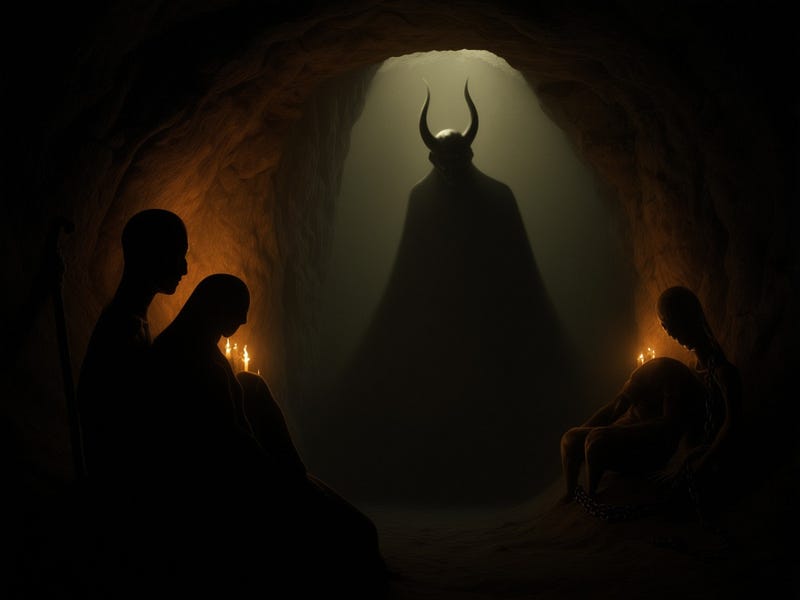
What’s different now is the way we approach it. Instead of seeing it as a threat, we can see it as an opportunity.
If life is a simulation, then we’re all part of something bigger—a shared experience that connects us in ways we might not fully understand.
What If the Simulation Is Designed to Help Us Grow?
Here’s a thought: What if the simulation isn’t random? What if it’s designed to help us grow, learn, and evolve?
Think about it. Every challenge we face, every obstacle we overcome, could be part of a larger plan.

Even the tough moments—heartbreak, failure, loss—might have a purpose. They shape us, teach us, and make us who we are.
This idea has helped me reframe my struggles.
Instead of asking, “Why is this happening to me?” I’ve started asking, “What can I learn from this?”
It’s a small shift, but it’s made a big difference.
Wrapping Up
So, what if we’re living in a simulation? Does it change anything?
Maybe. Maybe not.
But for me, it’s become a way to see life with fresh eyes. It’s a reminder that reality is what we make of it—and that’s a pretty powerful thought.
Whether you believe in simulation theory or not, I hope I’ve given you something to think about.
Life is strange, beautiful, and full of surprises. And if it’s all part of a simulation, well, maybe that’s not such a bad thing after all.
Thanks for reading…
If you enjoyed reading my story, please highlight any parts you think other readers would find interesting.
A couple of claps 👏 wouldn’t go amiss, either.
Don’t forget to leave your comments about what you thought of this story.
Consider following me here on Medium and subscribing to my stories.
Discover more from nom@d learning
Subscribe to get the latest posts sent to your email.
 nom@d learning
Leave a comment