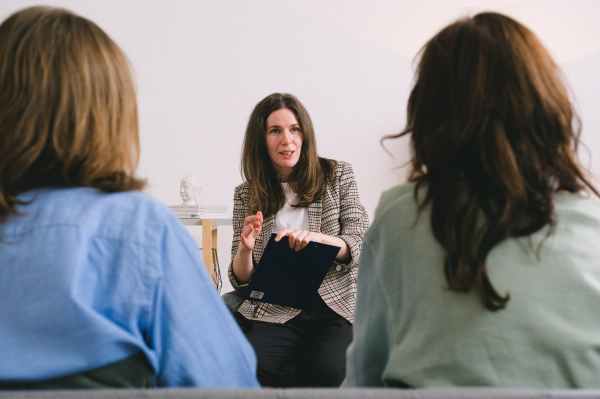
Assume that you've been tasked with educating your team about new code of conduct procedures. What factors do you consider while deciding how to perform the training? Do you get your team together for a group discussion? Do you plan to create an e-Learning course? Do you provide a test or a quiz? Should you... Continue Reading →
The Four Stages of Team Development
You realise your new team is a group of individuals who collaborate to achieve a common goal, right? The reality is, it takes time for a group of strangers to gel into a cohesive unit. Your team members must get to know one another, form relationships, and learn how to work together and contribute to... Continue Reading →
Developing Your Team Through Coaching
Coaching is a process through which managers and team members work together. The team member is treated as the expert in a coaching relationship, and the coach serves as a facilitator who assists them in finding their own solution, charting their own course, and determining their own path forwards. Coaches achieve this via probing questions,... Continue Reading →
A Manager’s Role In Career Development
Career development is a lifelong journey of self-awareness and professional growth. As a manager, you are responsible for the success of your team. It is your responsibility to motivate your staff so that they, as well as you, may attain higher levels of success. However, with career development, it's not always clear where such responsibilities... Continue Reading →
How to Conduct a Gap Analysis
Good managers provide their teams with the necessary skills, tools, and resources to satisfy the company's current needs. Great managers provide their teams with the resources they require to fulfil the company's long-term objectives. A gap analysis is a tool that managers can use to detect gaps between their teams' existing talents and the skills... Continue Reading →
Tips for Improving Team Dynamics
The way people in a group communicate with one another has an impact on team dynamics. People work together to improve their performance when the dynamics are positive. When team dynamics are negative, members clash and fail to meet expectations. Several factors contribute to challenges with team dynamics: Blocking behavioursWeak or domineering leadershipGroupthinkFree-ridingEvaluation apprehension. Improve... Continue Reading →
Characteristics of High-Performing Teams
A high-performing team generates consistent, high-quality outputs, but an average team is prone to variable results and conflict. Six fundamental criteria characterise a high-performing team: A clear sense of direction. The team is united by a single goal, and everyone understands their role. Transparency and open communication. People communicate openly and regularly, settling issues swiftly... Continue Reading →
Introduction to Team Dynamics and Why They Matter
When a new project is launched, team dynamics are generally given little consideration. There seems to be a general assumption that once a team is put together, they will automatically gel—and that's true, to some extent. But this implies that no extra effort is required. Dynamics, however, require attention and effort in order to be... Continue Reading →
Common Roles in a Team
Team roles can be formal or informal. Informal roles are more difficult to define than formal roles, which describe an individual's job title or assigned position. Team members naturally fill informal roles based on their behavioural patterns and interpersonal strengths. Nine common team roles are listed in Belbin's notion of team roles: Are there numerous... Continue Reading →
Transitioning from Peer to Boss
You've just received your promotion. You're ready for it, even if you're not totally comfortable with the new role. While you may be feeling some butterflies, you're eager to prove yourself. It's easy to take the first steps toward transition to management, but you want to do it thoughtfully and be prepared for what's to... Continue Reading →